

Charity team building activities are gaining traction among corporate HR leaders in the United States. These activities blend team building with philanthropy, creating a win-win scenario for companies and communities.
Incorporating charity into team building can boost employee morale and engagement. It aligns with corporate social responsibility (CSR) goals, enhancing a company's public image.
Volunteer team building activities foster team cohesion and improve communication. They offer employees a chance to work together for a common cause.
Philanthropic team building activities can attract and retain top talent. They provide employees with a sense of purpose and fulfillment.
Corporate charity team building can be tailored to align with specific corporate values. This customization ensures that activities resonate with employees and stakeholders.
Employee engagement volunteering leads to increased job satisfaction. It also helps in building a positive company culture.
Charity events for companies can range from local community service to global initiatives. These events can be integrated into regular team building programs.
Corporate volunteering ideas are diverse and adaptable. They can be a cost-effective way to enhance team dynamics.
Successful charity team building requires careful planning and alignment with company goals. Measuring the impact of these activities is crucial for continuous improvement.
Partnering with local charities can enhance the effectiveness of team building for a cause. It also strengthens community ties and fosters goodwill.
This guide will explore the benefits, types, and implementation strategies of charity team building activities.
Understanding Charity Team Building: Definitions and Core Concepts
Charity team building merges corporate teamwork with altruistic endeavors. It goes beyond traditional activities by incorporating charitable actions. This approach fosters a deeper sense of unity among employees.
Charity team building can take many forms. From volunteer days to charitable donations, each offers unique opportunities. These activities aim to create a positive impact on both employees and the wider community.
The core concept revolves around engaging employees in meaningful, philanthropic activities. Employees collaborate on projects that benefit society while enhancing team cohesion. This results in a workplace that's as rewarding as it is productive.
Key characteristics of charity team building include:
- Purpose-driven activities: Focus on achieving a charitable cause.
- Employee involvement: Encourage active participation across all levels.
- Community impact: Generate tangible benefits for local or global communities.
Corporate charity team building is strategically aligned with CSR goals. It aims to enhance a company's reputation while driving community development. This dual focus elevates both workplace culture and public perception.
Charity team building also encompasses various models. From one-time events to long-term partnerships with nonprofits, the possibilities are vast. Companies can choose models that best fit their corporate ethos and capacity.
The benefits are numerous. Employees gain fulfillment from helping others, which boosts engagement. Additionally, collaboration on charitable projects fosters improved communication and teamwork. Overall, charity team building is a dynamic strategy that enriches both company and community.
The Business Case: Why Charity Team Building Matters for US Corporations
Charity team building is not just a trend; it's a strategic business asset. In today's socially conscious market, corporations strive to align profit with purpose. Through charity team building, businesses can achieve this balance, enhancing both employee satisfaction and public perception.
These activities bolster employee engagement and morale. Participation in volunteer team building projects instills a sense of pride and accomplishment. Engaged employees are more productive, reducing turnover rates and recruitment costs.
Investing in philanthropic team building also strengthens a company's brand identity. Consumers increasingly support businesses that demonstrate commitment to social causes. By incorporating charity events for companies, businesses can attract both customers and top talent.
A robust charity team building program offers distinct competitive advantages. It differentiates a corporation in a crowded marketplace and positions it as a leader in corporate responsibility. This competitive edge translates into tangible business benefits, such as increased customer loyalty.
Key business benefits of charity team building:
- Enhances brand image and reputation
- Boosts employee morale and retention
- Provides marketing opportunities
- Fosters long-term community partnerships
Moreover, these activities provide a platform for CSR team building activities. Integrating CSR into business operations showcases the company's values and commitment to societal contributions. This integration ensures that charity endeavors align with corporate missions, fostering a culture of responsibility.
Finally, charity team building offers networking opportunities. Engaging with local communities and other businesses opens doors to potential collaborations. These connections can lead to partnerships that further both business and charitable goals. By embedding charity team building into their core strategies, US corporations can thrive while making meaningful societal contributions.
.jpeg)
Key Benefits of Charity Team Building Activities
Charity team building activities offer a multitude of benefits that can transform corporate environments. Engaging employees in meaningful charity work can substantially boost their morale and job satisfaction. When employees see the real-world impact of their contributions, it nurtures a deeper connection with the company.
These activities also serve as powerful tools for enhancing team cohesion. Working together on charity projects allows employees to develop stronger interpersonal relationships. This collaboration enhances communication skills, promoting a more positive and productive workplace atmosphere.
Moreover, corporate charity leadership team building activities can improve a company's public image. Philanthropic efforts demonstrate a commitment to societal well-being, attracting positive media attention and public goodwill. A strong public image can lead to increased trust and support from both current and prospective clients.
Charity team building is vital for advancing corporate social responsibility (CSR) goals. These initiatives offer employees firsthand experience in contributing to social and environmental causes. This involvement is crucial for embedding CSR principles into the company's DNA.
Benefits Summary:
- Boosts employee morale and satisfaction
- Enhances team cohesion and communication
- Improves public image and brand reputation
- Supports corporate social responsibility goals
Another significant advantage is talent retention and attraction. Today's workforce increasingly values purpose-driven companies. Charity team building activities can make a company more attractive to job seekers looking for fulfilling careers.
Furthermore, these activities can be economically advantageous. Charity events can double as professional team-building experiences, combining two essential corporate functions into one cost-effective package. This dual purpose ensures that every dollar spent on team building yields broader benefits.

Lastly, charity team building fosters a sense of purpose among employees. They become more motivated and engaged, contributing not just to the company but to the wider society. This ripple effect of positivity can transform the culture and success of the organization.
Types of Charity Team Building Activities
Diverse charity team building activities can revitalize employee engagement and social responsibility initiatives. Choosing the right type of activity is crucial to maximize impact and participation. Let's explore some popular options that organizations can incorporate.
Volunteer team building is widely recognized for its simplicity and direct impact. Employees participate in volunteer activities that provide immediate assistance to communities. These activities are not only fulfilling but also easily scalable to fit various group sizes.
Philanthropic team building takes a broader approach. This type involves raising funds or resources for charitable organizations. It could include organizing charity runs or fundraising auctions that engage employees and the public alike.
CSR (Corporate Social Responsibility) team building activities are strategic efforts that align with a company's long-term goals. These initiatives focus on sustainable development, environmental conservation, and social equity, creating lasting corporate impacts.
Popular Charity Team Building Activities:
- Volunteer events in local communities
- Charity runs or walks to raise funds
- Environmental conservation projects
Corporate HR leaders can also develop unique and creative team building for a cause ideas. These activities resonate with employees by aligning with corporate values and personal passions.
Companies can support local nonprofit organizations by organizing charity drives. Drives can focus on collecting food, clothing, or educational materials for those in need. Such initiatives enable direct involvement and help employees see the tangible impact of their efforts.
Interactive workshops on social issues allow employees to learn and engage meaningfully. These sessions can focus on topics such as diversity, environmental sustainability, or health. Workshops offer hands-on experience and foster team discussions about critical societal challenges.

Team outings with a charitable twist can introduce fun yet meaningful experiences. These activities can range from planting trees to organizing clean-up drives in local parks. Adding a charity component ensures that recreational activities also contribute to societal causes.
By mixing and matching these activities, companies can create a tailored charity team building program. The key is to align activities with company goals and employee interests. This alignment encourages deeper involvement and lasting impact.
Corporate volunteering ideas expand beyond traditional formats. Companies can participate in virtual volunteering, allowing remote teams to contribute their skills to nonprofit projects online. This option ensures inclusion regardless of physical location.
Volunteer Team Building
Volunteer team building activities are ideal for companies seeking direct community involvement. They empower employees to make immediate, positive changes in their surroundings. Many forms of volunteer work are available to suit diverse interests and skill sets.
Traditional volunteer activities include serving meals at shelters or organizing donation drives. These activities offer employees a chance to see the immediate results of their efforts.
Popular Volunteer Activities:
- Soup kitchens and meal distribution
- Donation sorting and distribution
- Community garden maintenance
For a more engaging experience, companies can host volunteer days. These events encourage full participation by dedicating a workday to volunteering. Such initiatives foster team spirit and strengthen employee bonds.
Another approach is skill-based volunteering. Employees apply their professional skills to aid nonprofit organizations. This type of volunteering enhances employee satisfaction while contributing to meaningful causes.

Companies can also partner with local schools for educational volunteering. Employees can tutor students or conduct workshops on relevant subjects. This partnership supports educational goals and nurtures a sense of community responsibility.
Philanthropic Team Building
Philanthropic team building focuses on fundraising and resource generation. It emphasizes collective efforts to support broader charitable goals. Engaging in philanthropy allows companies to leverage their resources for greater societal good.
Charity runs or walks are highly popular among philanthropic team activities. Employees participate in sponsored races, raising funds for chosen charities. This activity not only supports good causes but also encourages fitness and well-being.
Examples of Philanthropic Activities:
- Fundraising events such as auctions or gala dinners
- Charity runs or fitness challenges
- Sponsorship of community projects
Silent auctions and raffles can transform workspaces into vibrant fundraising centers. Employees contribute items for auction and participate in bidding. Proceeds support selected charities and foster a sense of collective achievement.
Philanthropic activities can also involve corporate sponsorships. Companies choose to support large-group team building community projects, such as building playgrounds or renovating schools. Such sponsorships build long-term community relationships and visibility.

Matching donation programs are a strategic philanthropic tool. Companies match employee contributions to charities, effectively doubling the impact. This approach encourages employee generosity and corporate commitment to CSR.
CSR Team Building Activities
CSR team building activities strategically align with a company's CSR agenda. They are designed to address broader social and environmental challenges. Incorporating these activities into corporate culture deepens the impact of CSR strategies.
Sustainability projects are popular CSR-focused initiatives. Companies conduct activities such as planting trees or organizing recycling drives. These projects promote environmental responsibility and awareness.
Notable CSR Activities:
- Green initiatives such as tree planting and recycling
- Awareness campaigns on social issues
- Sustainability workshops and training
Social awareness campaigns enable companies to reach a broader audience. Events like seminars or online webinars address pressing social issues. These campaigns elevate both employee understanding and public engagement.
CSR team building can also include employee-led sustainability workshops. Employees share expertise on eco-friendly practices or innovations. Workshops promote ongoing learning and foster a culture of sustainable growth.
Projects focusing on fair trade or ethical sourcing illustrate CSR values. Companies can partner with fair trade organizations to promote ethical practices. These projects align corporate actions with global sustainability standards.
Team Building for a Cause: Unique and Creative Ideas
Team building for a cause encourages creativity and personalization. Unique activities capture employee interest and inspire participation. By designing one-of-a-kind experiences, companies can maximize engagement and impact.
Art and creativity workshops offer distinctive team building opportunities. Employees create art pieces to auction for charity. This activity combines fun and creativity with meaningful fundraising.
Creative Team Building Ideas:
- Art creations for charity auctions
- Crafting workshops with proceeds to charity
- Adventure challenges with sponsorships
Adventure challenges with a charitable twist can be exciting and rewarding. Teams undertake outdoor team activities like obstacle courses, with proceeds supporting chosen charities. This option balances physical activity with philanthropy.
Organizing themed fundraising events adds an element of fun. From costume parties to talent shows, these events encourage all employees to contribute. Such events are memorable and leave lasting positive impressions.

Culinary challenges, such as bake-offs or cooking contests, provide delectable enjoyment. Employees prepare and sell dishes, with profits benefiting local charities. These events foster team spirit and skill-sharing in a relaxed atmosphere.
By embracing these varied approaches, companies can cater to diverse interests. Tailored charity team building activities ensure meaningful, memorable experiences for all involved. The creativity and compassion invested in these endeavors shine through, building a strong, ethical corporate culture.
Planning and Implementing Charity Team Building: A Step-by-Step Guide
Creating and implementing successful charity team building activities requires thoughtful planning. Following a structured approach ensures all aspects are covered, resulting in impactful and engaging events.
Step 1: Identify Objectives
Begin by clearly defining the objectives of your charity team building activities. This will guide the entire planning process and ensure alignment with corporate event planning goals. Objectives can range from enhancing team cohesion to fulfilling specific CSR commitments.
Step 2: Assess Employee Interests
Gauging employee interests is vital. Conduct surveys or hold brainstorming sessions to gather input. Understanding what motivates your team helps in selecting activities that will gain enthusiastic participation.
Step 3: Choose the Right Activity
With objectives and employee interests in hand, choose an activity that aligns well with both. Consider whether your focus should be local involvement, global impact, or environmental sustainability. Each choice offers different advantages.
Step 4: Partner with Charities
Partnering with a charity can enhance the authenticity and impact of your event. Seek organizations whose mission aligns with your company's values. Building strong relationships with these partners can lead to long-term collaborations.
Example Partner Charities:
- Local food banks or shelters
- Environmental conservation organizations
- Educational nonprofits
Step 5: Develop a Detailed Plan
Draft a detailed event plan that includes timelines, resources, and roles. Designate an event leader to keep things organized. This plan acts as a roadmap and ensures everyone is informed and prepared.
Step 6: Secure Resources and Budget
Identify the financial and material resources needed. This may involve setting a budget for venue rentals, marketing, or materials. Ensure that your plan is financially viable and any necessary approvals are obtained.
Budget Considerations:
- Venue and equipment rentals
- Marketing and promotional materials
- Employee incentives and rewards
Step 7: Promote the Event Internally
An effective internal promotion strategy is key to generating excitement. Use multiple communication channels, like emails and team meetings, to inform employees. Highlight the benefits and impact of participation to encourage engagement.

Step 8: Execute with Precision
On the day of the event, execute the plan with precision. Ensure that roles are clear, and volunteers are assigned as needed. Troubleshoot issues promptly to keep the event running smoothly.
Step 9: Gather Feedback
After the event, gather feedback from participants. Conduct surveys or hold debriefing meetings to evaluate success. Use this feedback to learn what worked well and what can be improved for future events.
Step 10: Evaluate and Report
Compile the data and assess the event's impact. Compare results against initial objectives. Share the outcomes with stakeholders and celebrate successes to reinforce the value of charity team building within the organization.
Following these steps ensures a holistic approach to charity team building. This methodical process not only maximizes impact but also enhances employee morale and fosters a culture of giving. By aligning with both corporate and individual values, you create meaningful experiences with lasting positive effects.
Virtual and Hybrid Charity Team Building for Remote and Distributed Teams
The shift towards remote work has transformed team building. Virtual and hybrid charity team building activities offer flexibility, allowing companies to engage all employees, regardless of location.
Virtual team building creates opportunities to connect across geographical barriers. It’s essential to design activities that are inclusive and accessible for distributed teams. Technology plays a critical role, utilizing tools such as video conferencing and collaborative platforms.
Choosing Virtual Activities
Select activities that inspire participation and cater to different time zones. Consider virtual volunteering, where employees can offer skills online to help nonprofits. Digital fundraisers or virtual hackathons also enable remote workers to contribute meaningfully.
Hybrid Model Advantages
The hybrid model blends physical and virtual elements. Local teams can engage in hands-on charity work, while remote colleagues participate online. This model ensures everyone is involved, enhancing global teamwork.
Implementation Tips
- Leverage technology platforms for seamless interaction.
- Provide clear guidelines and instructions.
- Integrate team-building elements to maintain engagement.
Engaging remote teams requires creativity. One successful approach is virtual skill-sharing workshops, where employees teach or learn skills benefiting a charitable cause. This boosts morale while fostering new connections.
In hybrid setups, ensure physical activities synchronize with virtual ones. Coordination is key to maintaining a unified approach. Clear team communication and a common objective keep everyone aligned.
Measuring the success of virtual or hybrid activities involves feedback collection and participation analysis. This data informs future initiatives, ensuring continuous improvement and engagement. Ultimately, virtual and hybrid charity team building not only supports charitable causes but also strengthens team bonds in an increasingly digital work environment.
Measuring Impact: How to Evaluate the Success of Charity Team Building
Assessing the impact of charity team building activities is vital. It ensures these efforts align with organizational goals and provide tangible benefits.
Start by setting clear, measurable objectives before the activities commence. These can include participation rates, funds raised, or skills developed. This baseline helps in evaluating the outcomes effectively.
Collecting Data and Feedback
Gather quantitative data such as attendance numbers and financial contributions. Surveys and feedback forms are tools for capturing participants' experiences and satisfaction levels. Direct feedback offers insights into what worked and what needs improvement.
Key Evaluation Metrics
- Employee engagement levels before and after the event.
- Impact on community or charitable organizations involved.
- Development of specific skills among participants.
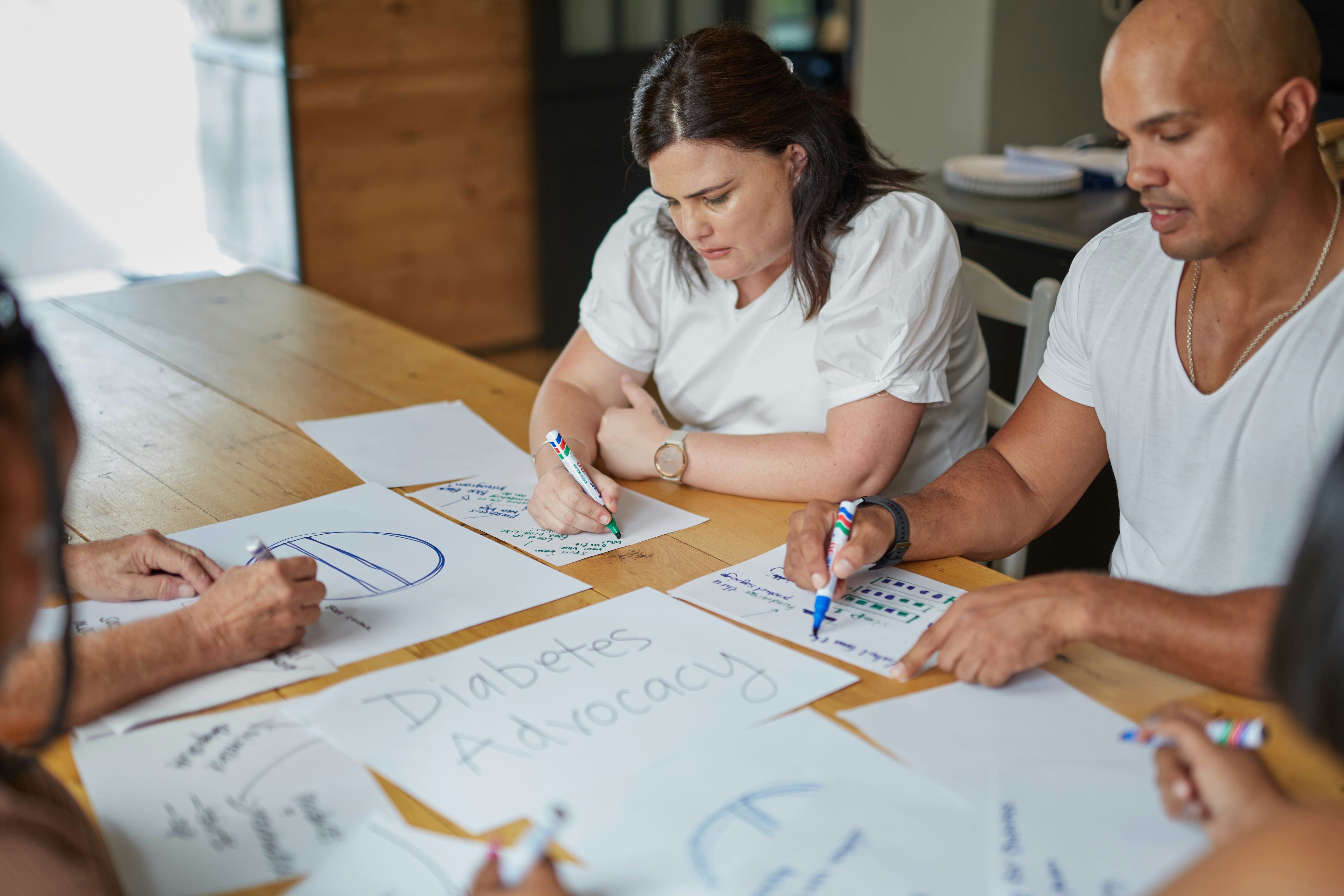
Analyzing this data helps in understanding the broader impact on team dynamics and community relations. Look for qualitative outcomes like increased morale or enhanced team cohesion.
It's essential to communicate the results across the organization. Sharing success stories and achievements can boost morale and encourage future participation. Transparency also builds trust and reinforces commitment to CSR goals.
Consider the impact on the brand's public image. Positive press coverage or social media mentions can indicate successful integration with broader CSR strategies. This external validation can augment internal assessments.
Continuous improvement is vital. Use evaluations to refine future charity team building efforts. Tailoring activities based on past learnings ensures ongoing relevance and effectiveness. In turn, this fosters a cycle of engagement and impact, benefiting both employees and the wider community.
Overcoming Common Challenges in Charity Team Building
Implementing charity team building can be rewarding, but challenges often arise. These challenges can range from logistical issues to employee disengagement.
Identifying Common Obstacles
Logistical challenges are common. Coordinating schedules and aligning team members can be difficult. Additionally, budget constraints may limit the scope of activities. Another hurdle is ensuring that the activities align with the company's values and objectives.
Overcoming Engagement Hurdles
Engagement can also present challenges. Not all employees may be equally motivated to participate in charitable activities. Lack of interest can lead to low turnout and minimal impact. Communicating the value and purpose of the activities is crucial to overcoming this obstacle.
Solutions to Common Problems
To address these issues, HR leaders can:
- Create activities that are flexible with schedules.
- Allocate a budget that aligns with both corporate goals and available resources.
- Emphasize activities that resonate with company culture.

Creating a Supportive Environment
Encouraging open communication about challenges and potential solutions is essential. This allows team members to share their insights and suggestions for improvement. Consider incorporating incentives to boost participation and engagement.
Continuous Improvement Strategy
Regularly evaluate past activities and adapt future plans based on feedback and outcomes. This continuous improvement approach ensures that charity team building remains effective and aligned with organizational goals. By being proactive and adaptable, companies can overcome these challenges, leading to more successful and impactful initiatives.
Case Studies: Successful Charity Team Building Initiatives in the US
Successful charity team building initiatives offer valuable lessons for HR leaders. In the US, several companies have set benchmark examples.
Technology Sector Success
A leading tech firm in Silicon Valley organized a series of volunteer days. Employees participated in various community service activities, strengthening team bonds. The initiative improved employee satisfaction and supported local charities.
Key Highlights:
- Focused on local community impact.
- Employees reported higher morale post-activity.
- Consistent engagement resulted in ongoing partnerships.
Retail Industry Example
A major retail chain hosted an annual philanthropic event. Employees were involved in packing and distributing care packages. The initiative aligned with the company's mission to improve living conditions.

Takeaway Points:
- High participation due to alignment with corporate values.
- Positive feedback from both employees and recipients.
- Event fostered a sense of purpose and community.
Healthcare Organization Initiative
A healthcare company collaborated with a local children's hospital. Employees volunteered to decorate hospital rooms and host interactive sessions. This initiative offered emotional upliftment to patients and staff alike.
Varied Employee Roles
The healthcare company tailored roles to suit different skill sets. This approach ensured that everyone could contribute meaningfully. The emphasis was on creating a compassionate and inclusive environment.

Financial Impact from Financial Sector
A bank organized a fundraiser supporting economic empowerment programs. Employees participated in creative fundraising competitions. By leveraging their financial expertise, they maximized the impact of each dollar raised.
Strategic Insights:
- High employee engagement led to record-breaking contributions.
- Activities utilized employees' professional skills for a cause.
- Strengthened relationships with community stakeholders.
Lessons from Successful Case Studies
These cases show the significant impact of well-planned charity team building activities. Aligning with core company values ensures higher engagement. Collaboration with local charities amplifies the benefits for all involved. By learning from these examples, HR leaders can design initiatives that are both impactful and rewarding.
Best Practices and Tips for Corporate HR Leaders
Implementing charity team building can be transformative for any organization. Here are some best practices and tips to help HR leaders succeed.
Align with Organizational Values
Align activities with company values to maximize engagement. When employees see the direct connection to their work, enthusiasm grows. This alignment also strengthens the company's overall mission.
Incorporate Employee Feedback
Regularly seek feedback from participants for continuous improvement. Employees provide insights on what worked and what could be improved. This feedback loop ensures activities meet employee interests and needs.

Leverage Partnerships
Collaborate with local charities and businesses to expand your impact. Partnerships bring additional resources and expertise, enriching the experience. Joint efforts also enhance the organization's reputation within the community.
Flexibility and Creativity
Stay flexible in planning to accommodate different interests and schedules. Use creative approaches to keep activities fresh and engaging. This diversity helps cater to a broader range of employee preferences.
Essential Tips:
- Set clear objectives for each initiative.
- Communicate the impact and outcomes to all stakeholders.
- Celebrate successes and recognize participants publicly.
Measure and Share Success
Track and evaluate the impact of each activity, sharing successes widely. Highlight achievements internally and externally to foster pride. This visibility motivates continued participation and support for future initiatives.
By adhering to these best practices, HR leaders can lead successful charity team building activities. These efforts not only enhance employee engagement but also build stronger communities and a positive corporate culture.
Frequently Asked Questions (FAQ)
When considering charity team building, HR leaders often have questions. Here are some frequently asked questions to guide you.
What is the main objective of charity team building?
The primary goal is to enhance employee engagement while giving back to the community. It aligns corporate activities with social responsibilities, enriching both the workplace and the local area.
How can we ensure maximum participation?
Clear communication and aligning activities with employee interests are key. Offer various options to cater to different preferences and schedules, ensuring broader appeal.
Are charity team building activities costly?
Costs vary based on the size and type of the event. However, many activities are budget-friendly and can offer significant returns in terms of employee satisfaction and public image.
Key Points to Consider:
- Align activities with company values.
- Ensure activities are inclusive and diverse.
- Measure the impact and gather feedback.
These answers aim to address common concerns and provide clarity. Proper planning and thoughtful execution ensure that charity team building becomes a valuable part of your HR strategy.
Conclusion: The Future of Charity Team Building in Corporate America
The landscape of corporate team building is evolving. More companies are recognizing the dual benefits of charity-focused activities. Not only do they strengthen team bonds, but they also enhance a company's reputation.
As we look ahead, the integration of social responsibility within corporate frameworks will likely become standard. This shift reflects growing societal expectations for businesses to contribute positively. This evolution positions charity team building as more than a trend—it becomes a strategic imperative.
Corporate HR leaders have a pivotal role. By championing these initiatives, they cultivate an environment of empathy and collaboration. This commitment not only boosts morale but also aligns with broader sustainability and community goals. The future shines bright for charitable engagement in corporate settings.