

Experience-based team building is gaining traction in the corporate world. Traditional icebreakers are losing their appeal. Why is this shift happening? This article explores Why Experience-Based Team Building Is Replacing Icebreakers and why team building is important for modern organizations.
Icebreakers often feel forced and superficial. They rarely create lasting connections among team members. In the team building activities vs icebreakers debate, experience-based activities offer deeper engagement through relevant challenges.
These activities focus on real-world challenges. They encourage collaboration and problem-solving. Participants learn by doing, which enhances skill retention; this experiential learning team building approach creates memorable team building experiences that transfer to daily work.

Experience-based team building is more than just fun. It aligns with organizational goals and the broader purpose of team building. It addresses specific team needs and objectives, including clear team building goals for employees.
Leadership development is a key benefit. These activities help leaders emerge naturally. They provide opportunities for practice and feedback, supporting leadership development through team building and practical leadership team building activities.
Improving communication is another advantage. Experience-based activities break down barriers. They foster open dialogue and understanding, offering practical ideas for how to improve team communication.
Remote teams can also benefit. Virtual experiences ensure inclusivity and participation. They help maintain team cohesion across distances, making team building for remote teams both practical and impactful.
Measuring success is crucial. Feedback and performance metrics provide insights. They help refine future team building efforts and clarify how to measure team building success, team building ROI, and long-term team building outcomes.
Employee engagement is often improved. Meaningful activities boost morale and motivation. They contribute to a positive workplace culture and demonstrate how to increase employee engagement and team building for employee engagement.
Experience-based team building is adaptable. It can be customized to reflect company values. This flexibility makes it a strategic tool and one of the more effective team building solutions for companies.
The impact on productivity is significant. Aligned activities enhance team performance. They lead to long-term behavioral changes and amplify the impact of team building on productivity in the workplace.
In conclusion, experience-based team building is here to stay. It offers a more effective approach than traditional icebreakers for team building in the workplace.
The Evolution of Team Building: From Icebreakers to Immersive Experiences
The journey from traditional icebreakers to immersive experiences reflects changes in workplace dynamics. Icebreakers once dominated team meetings. However, their impact was often fleeting and shallow---highlighting persistent questions around team building activities vs icebreakers.
Icebreakers aimed to make participants comfortable quickly. Common activities included simple introductions and games. While helpful for initial interactions, they lacked depth.
In contrast, immersive team building activities engage participants on a deeper level. They involve more than surface interactions. These activities address real organizational challenges and resemble corporate team building experiences designed for outcomes.
The change in approach aligns with evolving business needs. Companies require more from their teams. Icebreakers are limited in meeting these demands.
Modern team building experiences are dynamic and results-oriented. They often incorporate real-world scenarios. Participants work collaboratively to find solutions, reflecting what are effective team building strategies in today's environment.
Here are key elements of immersive team building:
- Engagement: Activities that capture participants' interest and commitment.
- Relevance: Tasks that mirror actual workplace challenges.
- Interaction: Encouraging cooperation and communication among team members.
- Reflection: Providing opportunities to discuss and reflect on experiences.
Companies benefit from these immersive approaches. They can address specific objectives such as improving communication. They also nurture leadership skills and promote employee engagement.
The benefits are measurable and tangible. Improved performance metrics are common after immersive activities. Team members often report higher satisfaction and motivation.
Traditional icebreakers lack these powerful outcomes. They seldom address the root of team issues. In contrast, immersive experiences create lasting bonds.
In summary, the shift from icebreakers to immersive experiences is logical. Teams need comprehensive, engaging solutions. Businesses are recognizing the long-term value of experience-based team building.
What Is Experience-Based Team Building?
Experience-based team building is a transformative approach. It focuses on creating meaningful and engaging experiences. These activities go beyond simple interaction and answer what is experience based team building and what is a team building experience in practical terms.
Unlike traditional methods, experience-based activities integrate learning and fun. This approach addresses practical skills. It also emphasizes emotional connections and is a form of experience based team building that strengthens team building in the workplace.

Key characteristics of experience-based team building include:
- Real-world relevance: Exercises mirror workplace scenarios for practical learning.
- Interactive challenges: Tasks require collaboration and active participation.
- Problem-solving focus: Activities are designed to cultivate critical thinking.
- Reflective sessions: Time is allocated for participants to discuss insights.
Participants engage in activities that build trust. These activities can be outdoor adventures or creative tasks. They provide a safe space to explore team dynamics, creating a memorable team building experience.
The approach is highly customizable. Activities are tailored to fit the company's culture and goals. This ensures alignment with business objectives.
Experience-based team building has multiple benefits. It fosters team cohesion and morale. Additionally, it often leads to more effective communication.
Importantly, this method encourages continuous learning. It promotes skills that are adaptable to changing business environments. Teams learn how to apply these skills effectively.
Finally, the impact of such team building is lasting. Participants remember insights gained through experience. This often leads to positive behavioral changes in the workplace.
Overall, experience-based team building fosters strong, resilient teams. It focuses on real connections. Employees leave with renewed motivation and a sense of accomplishment.
Icebreakers vs. Team Building Activities: Key Differences and Limitations
Icebreakers have long been used to warm up group dynamics. They are quick, simple, and aim to reduce initial awkwardness. However, they often lack depth compared to structured team building activities vs icebreakers programs.
Team building activities, on the other hand, are more comprehensive. They aim to foster genuine connections and improve team dynamics. These activities are designed with specific objectives in mind.
Key Differences:
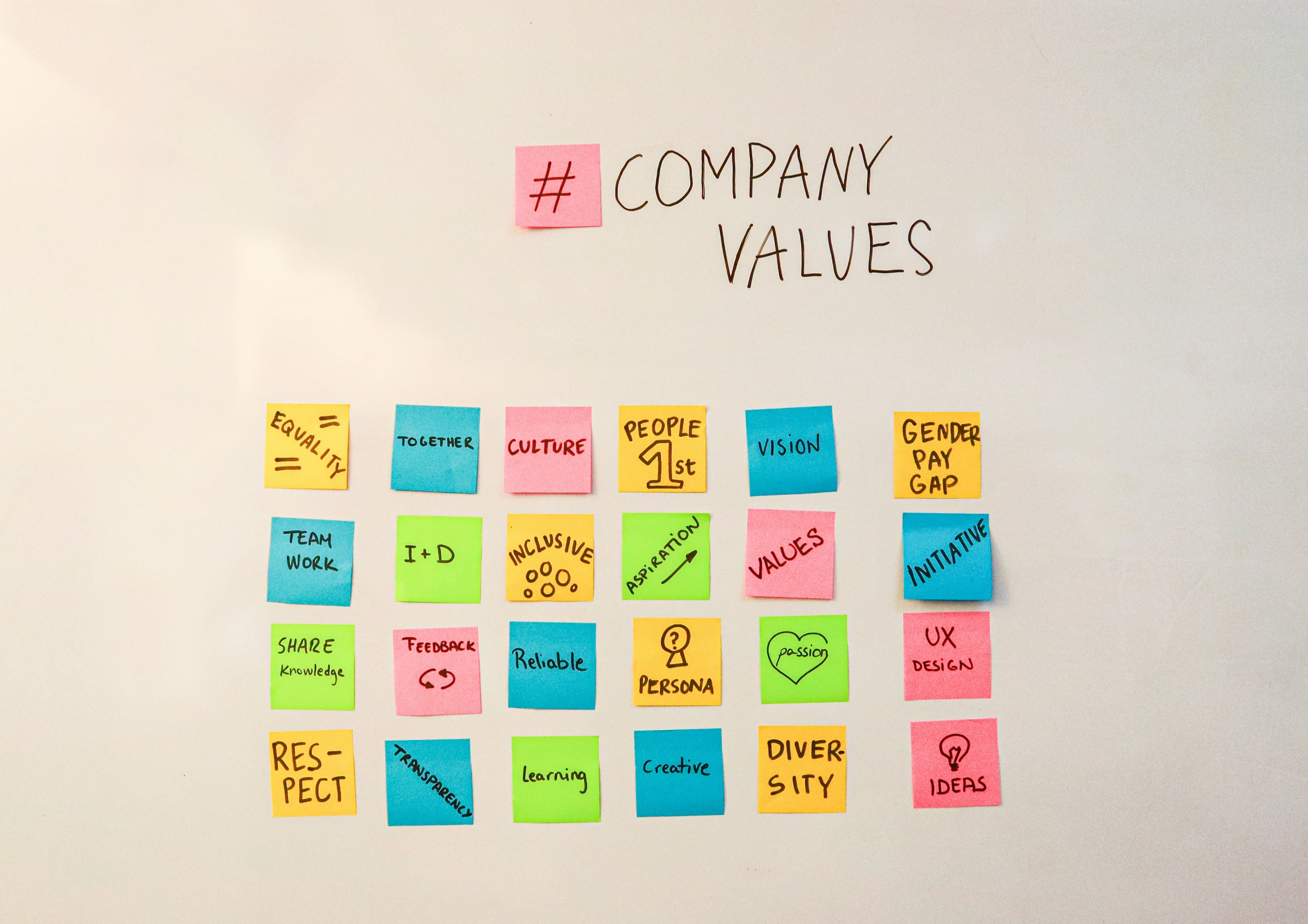
- Depth of Engagement: Icebreakers are often surface-level. Team building activities dive deeper into team needs.
- Duration: Icebreakers are usually short. Team building activities can take hours or even days.
- Goals: Icebreakers aim for initial comfort. Team building activities focus on sustained teamwork and relationship building.
- Outcomes: Icebreakers rarely produce lasting change. Team building activities aim for long-term benefits.
Icebreakers can be fun and lively. But they tend to be generic, offering limited insight into teamwork skills. They may not address underlying issues within a team.
In contrast, team building activities are crafted to meet specific challenges. They enhance communication, problem-solving, and collaboration. This makes them highly relevant to everyday work scenarios.
Participants often feel more engaged during experience-based team building sessions. Real-world relevance keeps motivation high. This leads to more meaningful interactions and immersive team building experiences.
The limitations of icebreakers become apparent over time. Teams need more than just introductory activities to thrive. They require structured experiences that encourage growth.
Finally, the choice between icebreakers and team building should align with company goals. Consider what you aim to achieve with your team. Pick activities that suit those objectives and foster lasting improvements.
Overall, the limitations of icebreakers highlight the need for deeper, more impactful activities. Embracing experience-based team building paves the way for genuine team development.
The Science Behind Experiential Learning in Team Building
Experiential learning is a powerful concept. It involves learning through doing and reflecting on experiences. This method engages participants actively and deeply and is central to experiential learning team building.
In team building, experiential learning plays a crucial role. It allows team members to practice skills in real-life scenarios. This hands-on approach leads to greater knowledge retention.

Key Elements of Experiential Learning:
- Active Participation: Engages team members in meaningful activities.
- Reflection: Encourages thoughtful consideration of experiences.
- Critical Thinking: Promotes problem-solving and decision-making skills.
- Adaptation: Participants learn to apply skills in new contexts.
Engagement in experiential learning fosters empathy and understanding. Team members learn to appreciate diverse perspectives. This enhances team cohesion and reduces conflicts.
Research supports the effectiveness of experiential learning. Studies show increased retention when learning is active rather than passive. Application of learned skills becomes easier.
Leadership development thrives in this environment. Leaders emerge as they navigate challenges with their teams. This leads to stronger bonds and better collaborative outcomes.
Experiential learning also boosts creativity. Participants feel encouraged to think outside the box. This open mindset fuels innovation in the workplace.
Team building sessions based on experiential learning are adaptable. They can be tailored to address specific challenges. This flexibility makes them applicable to various team needs.
Overall, the science behind experiential learning demonstrates its value. It transforms team building from a routine exercise into a dynamic learning experience. This method prepares teams to tackle future challenges with confidence.
As teams engage with these immersive experiences, they unlock potential. Experiential learning fosters both personal and professional growth. In turn, this significantly benefits the organization as a whole.
Objectives of Team Building: Beyond Breaking the Ice
Team building goes far beyond simply breaking the ice. Its objectives are diverse and crucial for fostering a cohesive work environment. Effective team building activities aim to improve various aspects of team dynamics, clarifying the objectives of team building and the overall purpose of team building.
A core objective is to enhance communication. Clear communication reduces misunderstandings and promotes harmony. Activities that focus on this skill are crucial for team success.

Another goal is to build trust among team members. Trust is fundamental in any successful team. It encourages openness and collaboration, making the team more efficient and offering practical ideas for how to build trust in teams.
Team building also aims to develop problem-solving skills. By presenting challenging scenarios, teams learn to navigate obstacles together. This experience prepares them for real-world challenges.
Increasing engagement and motivation is also a key objective. Engaged employees are more productive and satisfied with their work. Team building activities that are fun and meaningful enhance this engagement.
Team building fosters leadership development as well. Activities often reveal untapped leadership potential within team members. This development benefits both individuals and organizations.
Finally, team building seeks to improve adaptability. In a rapidly changing world, adaptability is a must. Teams that can adjust to new circumstances thrive in any environment.
Key Objectives of Team Building:
- Enhance communication.
- Build trust.
- Develop problem-solving skills.
- Increase engagement and motivation.
- Foster leadership development.
- Improve adaptability.
By achieving these objectives, team building enhances overall team performance. This contributes to a positive workplace culture and greater organizational success. Team building is a powerful tool for unlocking a team's full potential.
Benefits of Experience-Based Team Building for Companies
Experience-based team building offers numerous advantages for companies. It nurtures skills that are essential for a thriving workplace. These benefits align with both short-term and long-term organizational goals and highlight the benefits of team building for companies.
One significant benefit is enhanced employee collaboration. When employees engage in immersive activities, they learn to work together. This teamwork translates into better performance in daily tasks and shows how to improve team collaboration at work.
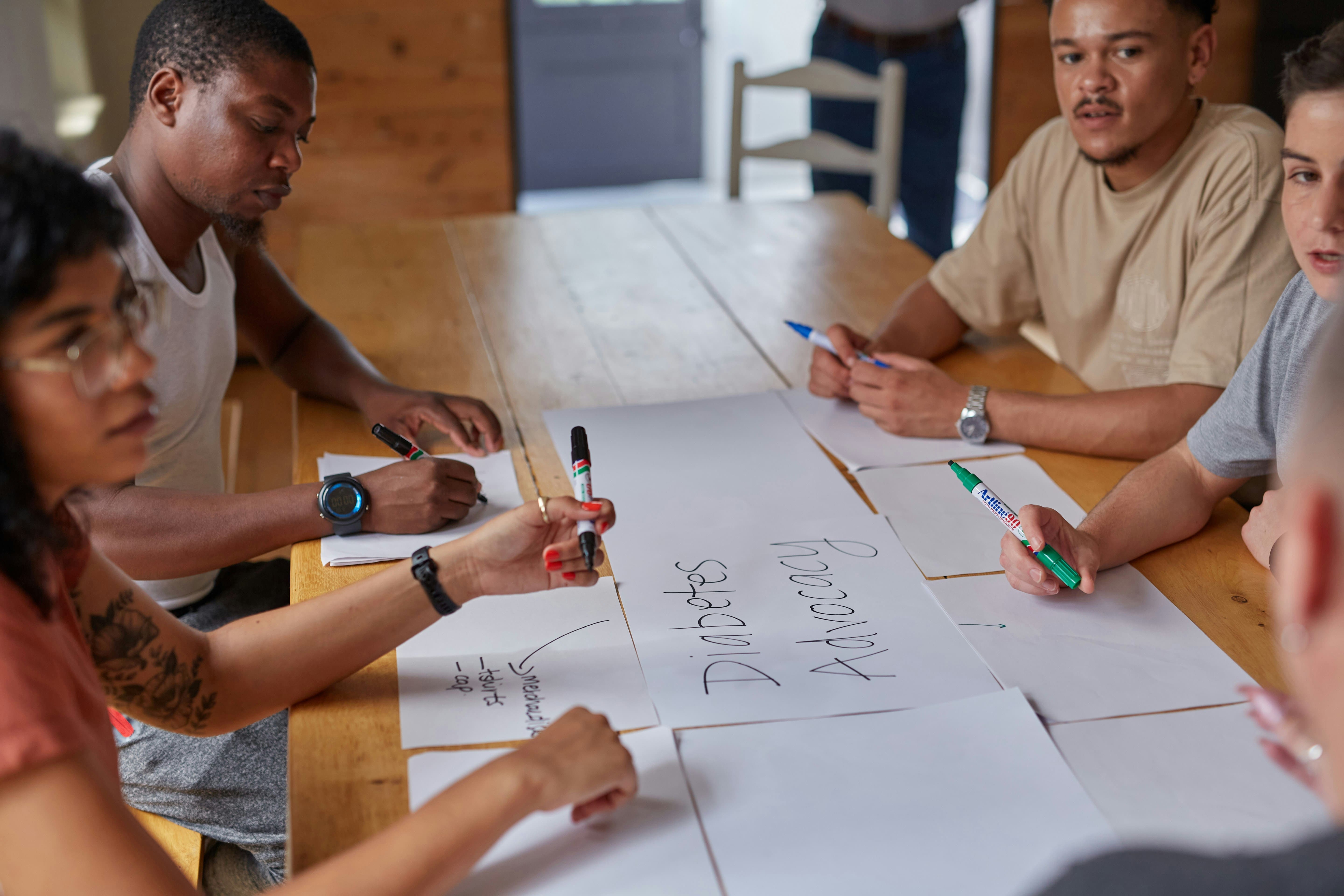
Improved morale is another key benefit. Experience-based activities are enjoyable and energizing. They create a sense of camaraderie and positivity among team members.
These activities also boost creativity. By breaking away from routine, employees are encouraged to think creatively. This creativity can lead to innovative solutions to business challenges and how to improve teamwork in the workplace.
Moreover, experience-based team building strengthens leadership qualities. Participants often discover and hone their leadership skills. This development is essential for cultivating future leaders within the company.
Companies also see a rise in employee engagement. Engaged employees are more committed and productive. This results in a positive impact on overall company performance.
Enhancing adaptability is a crucial benefit. Experience-based activities present new scenarios that require quick thinking. This adaptability is invaluable in today's fast-paced business world.
Lastly, these activities reinforce a company's values and culture. They emphasize the principles that the company stands for. Participants reflect on these values, leading to a stronger organizational identity.
Benefits of Experience-Based Team Building:
- Enhanced collaboration
- Improved morale
- Boosted creativity
- Stronger leadership skills
- Increased engagement
- Greater adaptability
- Reinforced company values
Experience-based team building is a strategic investment in any organization. It empowers employees and aligns them with company objectives. Companies that embrace this approach cultivate a more resilient and dynamic workforce.
Leadership Development Through Team Building
Leadership development is crucial for sustaining company growth. Team building plays a vital role in grooming future leaders. Experience-based activities offer a practical approach to leadership development, illustrating leadership development through team building and targeted leadership team building activities.
These activities allow individuals to practice decision-making. Participants face challenges that require quick and effective solutions. This practice enhances their ability to lead under pressure.

Communication is another key aspect of leadership. Experience-based team building encourages open dialogue. Leaders improve their skills in conveying ideas clearly and listening actively.
Team building also fosters emotional intelligence. Leaders learn to understand and manage their emotions. They also improve in recognizing and influencing the emotions of others.
Delegation is another critical leadership skill. Within immersive activities, leaders practice delegating tasks. This practice ensures that tasks are assigned based on team strengths.
Motivating others is essential for leadership. Team building exercises demonstrate the impact of motivation. Leaders see firsthand how encouragement boosts team morale and productivity.
Experience-based activities also highlight the importance of feedback. Leaders learn to give constructive criticism effectively. Receiving feedback improves their own performance too.
Key Leadership Skills Enhanced:
- Decision-making
- Effective communication
- Emotional intelligence
- Delegation
- Motivation techniques
- Constructive feedback
Investing in team building for leadership development is wise. It prepares leaders to tackle future challenges confidently. Companies that prioritize leadership development ensure a strong foundation for success.
How Experience-Based Team Building Fixes Team Conflict and Improves Communication
Conflict is inevitable in any team setting. Experience-based team building offers solutions to resolve these challenges. Activities are designed to address and diminish conflict effectively, offering practical ways for how to fix team conflict and address team building for communication issues.
These activities focus on creating shared experiences. Team members engage in tasks that require cooperation. This shared focus helps to break down existing barriers.
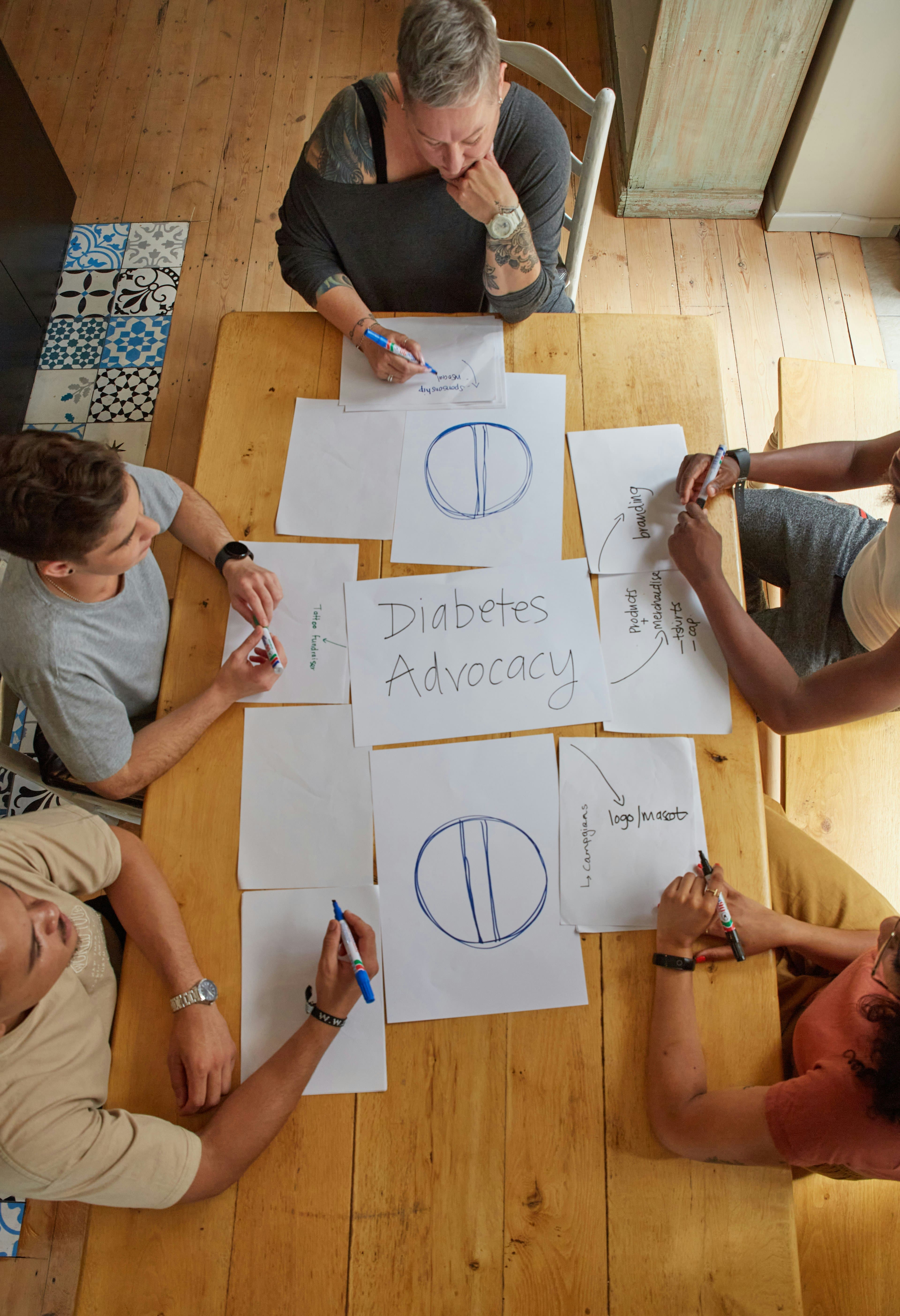
Communication is often at the core of conflict issues. Experience-based exercises enhance communication by promoting open dialogue. They encourage team members to share thoughts and listen actively.
By participating in these immersive activities, teams discover communication styles. Understanding these styles helps in adapting approaches. It reduces misunderstandings and improves overall team dynamics.
Feedback is a crucial part of these exercises. Team members learn to provide and accept constructive feedback. This process fosters a culture of growth and mutual respect.
Empathy is also nurtured through these activities. Team members walk in each other's shoes. This experience enhances understanding and builds stronger team bonds.
Key Conflict Resolution and Communication Enhancements:
- Promotion of open dialogue
- Discovery of communication styles
- Encouragement of empathy and understanding
- Facilitation of constructive feedback
Experience-based team building is a powerful tool for conflict resolution. It brings teams closer, promoting a harmonious work environment. Improved communication leads to a more productive and satisfied team. Companies that embrace these activities see a significant decline in conflicts. They foster a collaborative atmosphere that benefits everyone involved.
Immersive Team Building Experiences: Examples and Best Practices
Immersive team building experiences can transform a team's dynamic. They go beyond traditional activities, fostering deeper connections. These experiences are designed to be both engaging and educational, offering clear examples of team building experiences that deliver results.
One popular example is the corporate scavenger hunt. Teams collaborate to solve clues and complete tasks. This activity boosts problem-solving and teamwork skills; structured corporate scavenger hunt team building makes the experience scalable for large groups.
Escape rooms are another powerful tool. They require teams to work together under pressure. Participants must rely on collaboration to succeed.
Culinary classes serve as an excellent team-building experience. Cooking together fosters camaraderie and communication. Everyone contributes and learns new skills in the process.
Outdoor retreats can also be incredibly effective. They offer a refreshing break from the usual work setting. Activities like hiking or rock climbing promote trust and cooperation.
Examples of Immersive Team Building Activities:
- Corporate scavenger hunts
- Escape room challenges
- Culinary classes
- Outdoor retreats and adventures
Choosing the right experience involves understanding team needs. It's essential to align the activities with specific objectives. Tailoring the experience increases its effectiveness and relevance.
It's also important to consider the diversity of the team. Activities should be inclusive and accessible to everyone. This ensures that all team members can participate fully.
Feedback is a critical component of these experiences. Teams should debrief after activities to discuss learning outcomes. This practice helps solidify the lessons and enhances learning retention from interactive team building activities.
Best Practices for Implementing Immersive Experiences:
- Align activities with team objectives
- Ensure inclusivity and accessibility
- Conduct feedback sessions post-activity
Immersive team building experiences are more than fun games. They are strategic tools for enhancing team performance. When implemented thoughtfully, they lead to lasting positive change in any corporate team building experience.
Team Building for Remote and Hybrid Teams
Remote and hybrid teams face unique challenges in building cohesion. Physical distance can impede communication and trust. However, innovative team building strategies can bridge these gaps and support team building for remote teams.
Virtual escape rooms are gaining popularity. These digital challenges require team members to collaborate online. They promote problem-solving and effective communication in a remote setting.
Another engaging option is online trivia competitions. Teams compete in real-time, answering questions related to their industry. This not only builds knowledge but also boosts team morale.

Video conferencing tools can host creative workshops. These sessions allow team members to brainstorm and innovate. They also provide a platform for expressing diverse ideas and perspectives.
Team workouts are a dynamic way to engage remote teams. Virtual yoga or fitness sessions offer a shared activity. This promotes health and camaraderie among team members.
Ideas for Remote and Hybrid Team Building:
- Virtual escape rooms
- Online trivia competitions
- Creative workshops via video conferencing
- Virtual team workouts or yoga sessions
The flexibility of remote team building is crucial. Activities must be adaptable to varying time zones and schedules. This inclusivity ensures maximum participation and benefit. Partnering with an employee engagement company can also streamline planning and execution.
Feedback remains vital in a virtual context. Regular check-ins can gather insights on the team's experience. This feedback can guide adjustments for future sessions.
Success in remote team building relies on creativity. By tailoring activities to their unique context, teams can thrive. These experiences foster connections that transcend physical barriers.
How to Measure Team Building Success and ROI
Measuring the success of team building is essential for understanding its impact. Clear objectives are the first step in assessment. These should align with organizational goals for maximum relevance and provide a framework for how to measure team building success.
After the event, gather participant feedback. Surveys can provide insights into the experience's effectiveness. They reveal how well it achieved the desired outcomes.
Improved performance metrics serve as another indicator. Look for boosts in productivity or enhanced teamwork. These tangible results often reflect the program's success.

Consider the level of employee engagement post-team building. Higher engagement levels suggest a positive influence. Engaged employees usually show increased satisfaction and motivation.
The financial aspect of team building is crucial. Calculating return on investment (ROI) helps justify costs. Compare the program's expenses with the benefits gained to estimate team building ROI.
Success can also be seen in reduced conflict and better communication. These soft skills contribute significantly to a team's efficiency. Assess their development over time through observation and feedback.
Key Metrics to Evaluate Team Building Success:
- Participant feedback and satisfaction
- Improvements in productivity
- Engagement level changes
- ROI calculations
- Communication and conflict resolution improvements
Lastly, ensure continuous evaluation and adaptation. Use data to refine and improve future initiatives. This ensures team building remains effective and aligned with evolving goals while tracking clear team building outcomes.
The ability to measure success transforms team building from mere activity to strategic asset. It emphasizes the value of well-planned and executed experiences. Through careful measurement, team building can sustainably drive organizational success.
Designing Effective Team Building Programs for Companies
Creating an effective team building program requires careful planning and customization. The first step is to clearly define the program's objectives. Understanding what you want to achieve guides the entire process and informs team building programs for companies.
Consider the specific needs of your team and organization. Different teams have unique dynamics and challenges. Tailoring activities to these can maximize impact, whether through corporate team building programs or targeted team building workshops for employees.
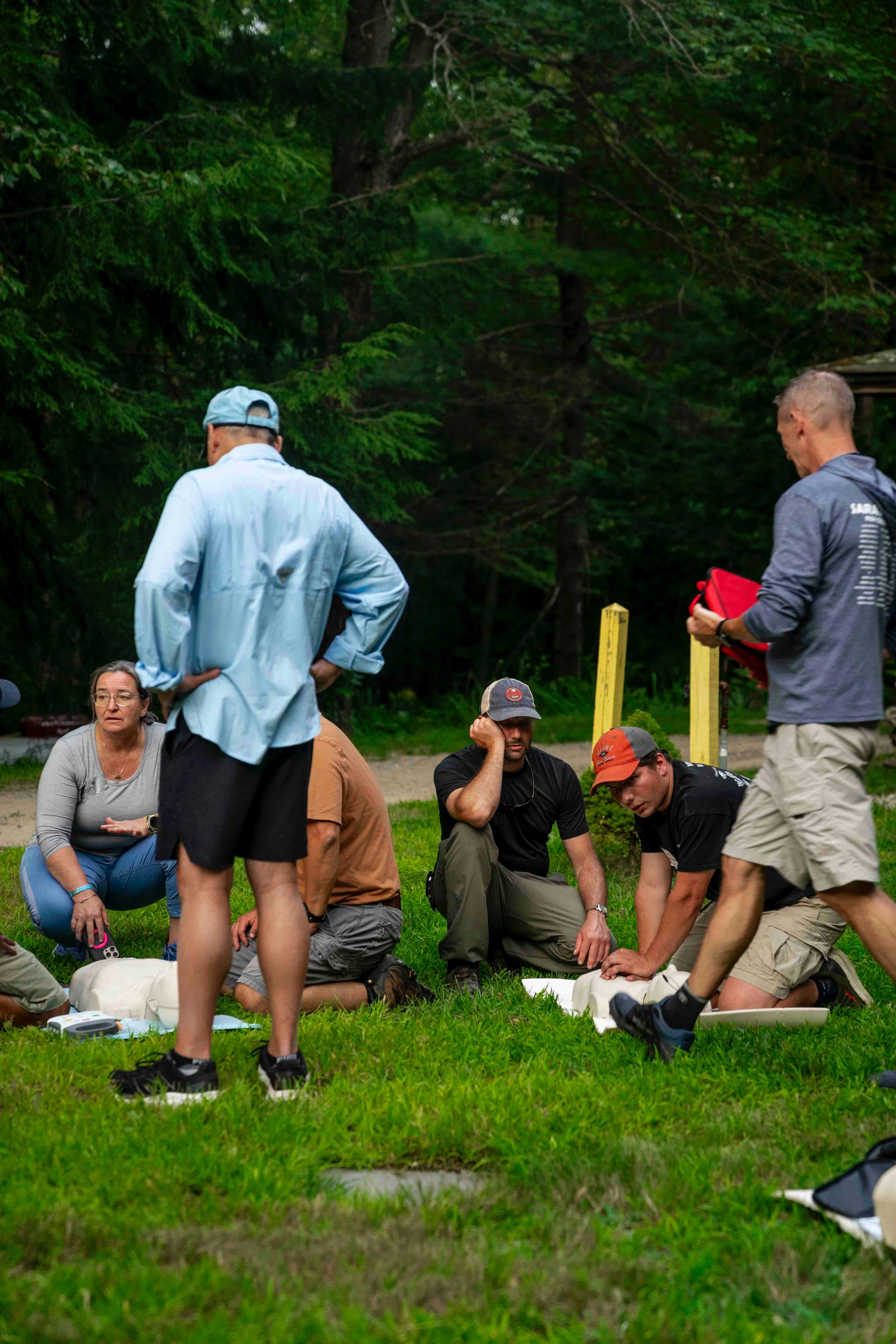
Diverse activities can address multiple goals. Mix problem-solving exercises with fun, engaging tasks. This balance keeps participants interested and focused while advancing team building goals for employees.
Incorporate input from team members when designing the program. Involvement in the planning phase boosts buy-in and enthusiasm. Employees often have valuable insights into what might work best.
Logistics are another crucial aspect to consider. Ensure the setting is convenient and conducive to the activities planned. Whether indoors or outdoors, the environment plays a big role in success.
Essential Elements of Effective Team Building:
- Clear objectives
- Tailored activities
- Diverse exercise types
- Employee involvement
- Suitable logistics
Finally, remember to follow up post-event. Feedback loops are essential for understanding the program's impact and areas for improvement. Use the insights gained to refine future team building efforts and to define what are effective team building strategies.
A well-designed team building program enhances team cohesion and boosts productivity. By addressing specific needs and fostering a supportive culture, such programs deliver lasting benefits. They serve as more than just corporate activities---they become pivotal components in organizational growth and success.
The Role of Team Building Facilitators and Corporate Event Companies
Team building facilitators play a key role in guiding team activities. They ensure events run smoothly and objectives are met. Their expertise helps create engaging and productive experiences for participants.
Corporate event companies offer comprehensive team building services. They provide resources and support for customized programs. Leveraging their experience can lead to better outcomes in team dynamics.
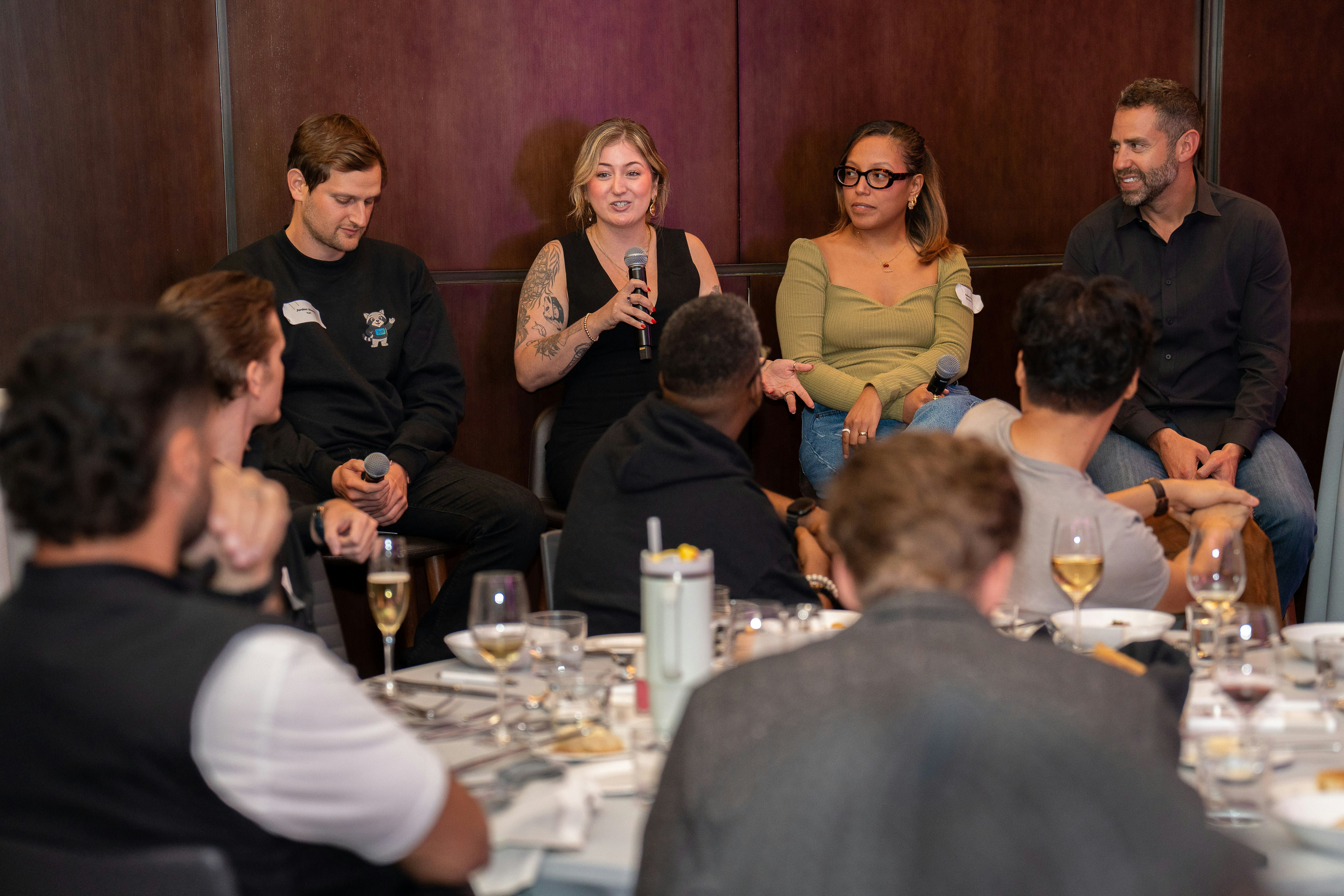
Facilitators bring an understanding of group dynamics to the table. They help manage diverse personalities and resolve conflicts if they arise. Their presence allows team leaders to fully participate without logistical worries.
Event companies also handle logistics, including venue selection and materials needed. This removes the burden from internal staff, allowing them to focus on their core responsibilities. Outsourcing these tasks ensures professionalism and efficiency.
Key Roles of Facilitators and Event Companies:
- Guiding group dynamics
- Managing logistics
- Providing expertise
- Resolving conflicts
- Offering tailored solutions
Collaborating with a team building facilitator, a team development company, or a corporate team building company can significantly enhance the experience. They deliver corporate event company team building and scalable team building services tailored to your culture and goals.
Gamified and Interactive Team Building: Boosting Engagement and Motivation
In today's fast-paced work environment, keeping teams motivated is crucial. Gamified team building activities bring fun and excitement to the workplace. They incorporate game mechanics to engage participants actively.
Interactive experiences enhance team collaboration and problem-solving skills. Games often simulate real-world challenges, driving strategic thinking. This immersive approach promotes creativity among team members and showcases the value of interactive team building activities.

Gamification taps into the competitive spirit of employees, fostering healthy competition. It makes learning enjoyable and lessens the stress associated with traditional workshops. Players are encouraged to improve continuously.
Benefits of Gamified Team Building:
- Enhances motivation
- Promotes collaboration
- Stimulates creativity
- Encourages strategic thinking
- Reduces stress during learning
Interactive activities offer a dynamic alternative to conventional methods. They provide immediate feedback, helping participants learn and adapt quickly. These experiences are often memorable, leading to long-lasting impacts.
Ultimately, gamified and interactive team building serves multiple purposes. It not only strengthens teamwork but also boosts morale and builds trust. Implementing these strategies can transform a team's dynamic and improve organizational outcomes. The continuous development of such innovative activities will likely keep teams engaged and motivated for years to come.
How Experience-Based Team Building Drives Workplace Culture Improvement
Improving workplace culture is a priority for many organizations. Experience-based team building plays a key role in this transformation. By creating shared experiences, it fosters a sense of belonging among employees and complements other workplace culture improvement activities.
Such activities break down barriers between team members. They encourage open communication and mutual respect. Teams that communicate effectively often experience higher levels of trust.
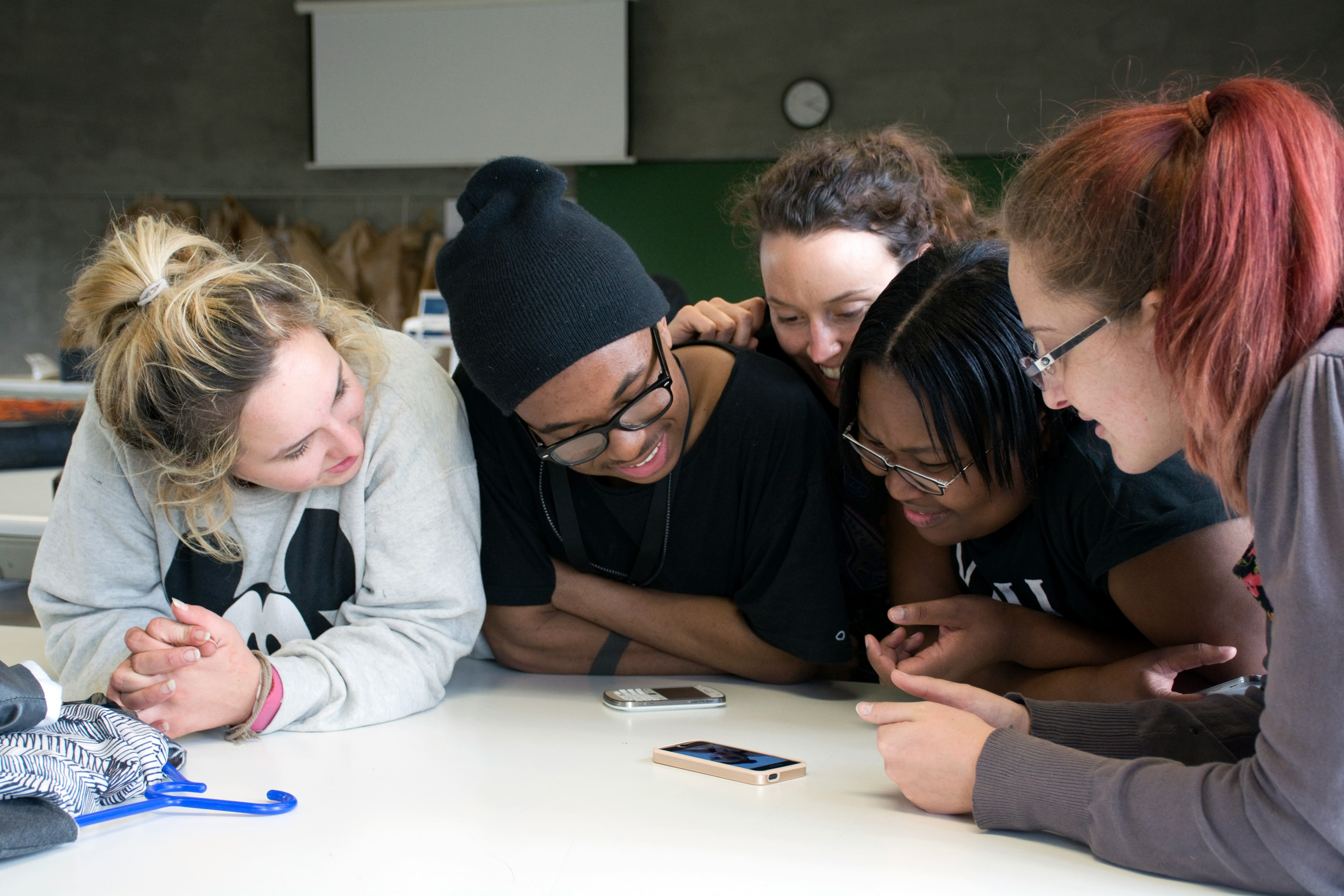
Experience-based team building also aligns team goals with organizational values. Through immersive activities, employees see the bigger picture and understand their role. This alignment enhances their commitment to the company's mission.
Key Ways Experience-Based Team Building Improves Culture:
- Enhances communication and trust
- Aligns team and organizational goals
- Fosters inclusivity and diversity
- Encourages an open and respectful workplace
- Reinforces company values and mission
Inclusivity is another major benefit of experience-based activities. They are often designed to involve everyone, regardless of role or department. This inclusivity fosters a sense of equality and unity.
Finally, the positive changes brought about by these activities can be sustainable. By fostering long-term behavioral shifts, they create enduring improvements in workplace culture. Experience-based team building thus serves as a powerful tool for organizations aiming to enhance their internal environment and overall productivity through team building in the workplace.
Employee Engagement and Retention: The Impact of Meaningful Team Building
Employee engagement is crucial for company success. Engaged employees are more productive and committed. Meaningful team building is a proven way to enhance engagement and demonstrates what improves employee engagement the most in many teams.
Experience-based activities keep employees interested and involved. By participating in these immersive events, team members feel valued and recognized. Their involvement leads to increased job satisfaction.

Retention rates can improve through effective team building. Employees are more likely to stay with a company when they feel part of a cohesive team. This sense of belonging reduces turnover and associated costs and supports employee retention strategies team building.
How Team Building Impacts Engagement and Retention:
- Increases job satisfaction
- Builds a sense of community
- Fosters loyalty to the company
- Encourages professional growth
- Reduces turnover rates
Professional growth is another benefit of experience-based team building. These activities often incorporate learning and development elements. Employees gain new skills and confidence, which can lead to career advancement and show how to engage employees at work.
Long-term, these benefits contribute to a positive workplace culture. A supportive environment nurtures employee well-being and loyalty. Meaningful team building experiences are thus essential for organizations aiming to boost both engagement and retention through team building for employee engagement.
Overcoming Common Challenges in Team Building Initiatives
Team building initiatives often face obstacles. Common challenges include lack of engagement and poorly defined goals. Addressing these can lead to more effective outcomes and more targeted team building solutions for companies.
Engagement can wane if activities don't resonate. It's crucial to tailor experiences to the team's interests and needs. Understanding team dynamics helps create relevant and stimulating activities.
Objectives must be clear for team building to succeed. Define what you aim to achieve from the outset. Aligning activities with these goals ensures meaningful results.
Effective Strategies to Overcome Challenges:
- Understand team dynamics
- Set clear, measurable objectives
- Customize activities to interests
- Encourage participation and feedback
- Evaluate and adapt strategies
Participation can be an issue if activities seem forced. Encourage voluntary involvement by highlighting potential benefits. Flexible planning allows for modifications based on feedback and changing circumstances.
Lastly, regular evaluation is key. Assess the effectiveness of team building initiatives and be prepared to adapt. Continuous improvement helps sustain positive impacts and overcome challenges.
Future Trends: The Next Generation of Team Building Experiences
The landscape of team building is constantly evolving. Emerging trends are shaping the future of how teams interact. Understanding these can provide a competitive edge while guiding future corporate team building experiences.
Technology is playing a vital role in this evolution. Virtual reality (VR) is introducing immersive experiences that transcend traditional settings. Teams can explore environments and scenarios tailored to specific learning outcomes.

Another trend gaining momentum is personalization. Tailoring team building activities to individual preferences can enhance engagement. This approach acknowledges the diverse needs and talents within a team.
Key Future Trends in Team Building:
- Incorporation of virtual and augmented reality
- Increased personalization of activities
- Focus on fostering inclusivity
- Use of data analytics for tracking success
- Gamification of activities for enhanced motivation
Inclusivity is also becoming a central focus. Activities are designed to cater to various abilities and backgrounds. Ensuring everyone feels valued and included boosts overall team morale.
Lastly, data analytics is helping to measure outcomes more precisely. Tracking engagement, participation, and performance can quantify the return on investment (ROI). These insights guide future improvements and strategies, strengthening corporate team building programs.
Why Experience-Based Team Building Is Here to Stay
Experience-based team building is transforming workplace dynamics. Its rise is rooted in the meaningful connections it fosters among employees. Unlike traditional icebreakers, these activities are deeper and more impactful and show why team building is important across industries.

Organizations value the benefits that experience-based activities offer. Improved communication, collaboration, and morale contribute to a positive work culture. This approach also addresses specific challenges teams face, making it versatile and effective.
With continuous innovation in team building strategies, experience-based methods will remain relevant. Their adaptability allows them to meet the evolving needs of modern workplaces. Businesses embracing this approach are likely to see long-term benefits.
The future of team building looks vibrant and promising. As companies continue to recognize its importance, experience-based activities will become an integral part of team development. The impact on productivity and employee engagement ensures their lasting presence in corporate culture. Ultimately, this is Why Experience-Based Team Building Is Replacing Icebreakers.
Frequently Asked Questions (FAQ)
What is a team building experience?
A team building experience is a structured activity or event designed to improve collaboration, communication, trust, and overall team performance. Unlike basic icebreakers, it involves immersive, real-world challenges that help employees learn through action and reflection. These experiences are designed to mirror workplace situations, making the learning practical and directly applicable.
What are some examples of team building experiences in the workplace?
Common examples of team building experiences include corporate scavenger hunts, escape room challenges, problem-solving workshops, outdoor adventure activities, and culinary team sessions. In the workplace, companies also use strategy simulations, leadership exercises, and communication-based challenges to improve teamwork and decision-making.
What is a good example of a team building experience for work?
A strong example of a team building experience for work is an escape room challenge where teams must solve problems under time pressure. This activity improves communication, leadership, and collaboration. Another example is a corporate scavenger hunt that requires teams to work together, think strategically, and complete tasks aligned with business goals.
How do you describe your team building experience (sample answer)?
A good way to describe a team building experience is by highlighting collaboration, problem-solving, and outcomes. For example:
“I participated in a team building experience where we worked on a problem-solving challenge as a group. It helped improve communication, build trust, and understand team dynamics better. The experience made us more aligned and effective in our day-to-day work.”
What are team building experiences for work and why are they important?
Team building experiences for work are structured activities designed to strengthen relationships, improve communication, and align teams with business goals. They are important because they reduce workplace conflicts, improve employee engagement, and create a more productive and collaborative environment.
How do companies choose the right team building experience?
Companies should choose team building experiences based on their objectives, team size, and challenges. For example, trust-building activities work best for new teams, while leadership and strategy-based experiences are ideal for senior teams. The right experience should be engaging, inclusive, and aligned with measurable business outcomes.
Why are experience-based team building activities replacing traditional icebreakers?
Icebreakers tend to be brief, generic, and surface-level, so their impact fades quickly. Experience-based activities immerse teams in real-world challenges that require collaboration, problem-solving, and reflection—leading to deeper connections, stronger alignment with organizational goals, and long-term behavioral change. Traditional icebreakers often fail to address real workplace dynamics, whereas immersive activities improve communication, trust, and leadership while creating meaningful shared experiences that translate into measurable outcomes.
How does experiential learning in team building improve workplace performance?
Experiential learning combines active participation with structured reflection, helping teams apply skills immediately in real work scenarios. By simulating real workplace challenges, these activities strengthen decision-making, communication, and critical thinking. The debrief process ensures insights are converted into actionable habits, resulting in improved productivity, stronger teamwork, and long-term performance gains.
What are the best examples of immersive team building activities?
Effective team building activities include corporate scavenger hunts, escape rooms, culinary workshops, and outdoor retreats. For remote teams, virtual escape rooms, online trivia, and creative workshops work well. The best choice depends on team objectives such as improving communication, building trust, or developing leadership. Activities should also be inclusive, accessible, and followed by a structured reflection session to maximize impact.
How can remote and hybrid teams benefit from experience-based team building?
Remote and hybrid teams can strengthen collaboration through virtual, challenge-based activities that encourage communication and trust despite physical distance. Activities like online workshops, gamified challenges, and virtual team experiences help maintain engagement and cohesion. When designed with time zones and team dynamics in mind, these activities foster a strong sense of connection and shared purpose.
What is the best way to measure team building success and ROI?
Measuring success starts with defining clear objectives aligned with business goals. Companies should gather participant feedback, track performance metrics such as productivity and collaboration, and monitor improvements in communication and engagement. ROI can be evaluated by comparing program costs with tangible benefits such as increased efficiency, reduced conflict, and improved employee satisfaction.
How do team building activities improve trust and respect within teams?
Team building activities create shared experiences where team members rely on each other, communicate openly, and build mutual understanding. These interactions foster transparency, empathy, and accountability. Over time, this leads to stronger relationships, increased trust, and a more respectful and cohesive workplace culture.
How often should companies conduct team building activities?
Companies should ideally conduct structured team building programs on a quarterly or biannual basis, supported by smaller ongoing activities. Regular engagement ensures that the benefits are sustained over time rather than being short-lived, helping teams continuously improve communication, collaboration, and overall performance.
Are team building activities worth the investment for companies?
When aligned with business goals, team building activities deliver strong returns by improving employee engagement, productivity, and retention. Organizations benefit from better collaboration, stronger leadership development, and a more positive workplace culture. These outcomes contribute directly to long-term business success and organizational growth.