


Organizing effective team building events is a great way to bring people together and foster closer relationships in an organization. You can also use corporate events to celebrate achievements, reward hard work, develop communication skills, strengthen personal bonds, and boost productivity.
But ensuring your team building event is productive takes a lot of planning. And it’s challenging to develop the perfect event for every team. After all, each group has its own dynamics and personality. And a productive team building session is only effective when you get the entire on board.
Sometimes, the biggest challenge of ensuring team building success is knowing which are the best activities to connect a diverse group of people and bring them together.
In this article, you will learn what it takes to organize a productive team building event in 11 steps. By following these steps, your team activities should produce better results and help you reach your goals. However, before exploring the best ways to plan for team building, it’s crucial to address the challenges you face.
What is a Productive Team Building Event?
What do we mean when talking about a productive team building event? The word “productive” means that the event reaches the goals you set out to achieve. It means the event produces positive results and represents a good investment of time and resources.
Challenge of Planning a Successful Team Building Event
The effectiveness of team building events is well-documented. But just bringing together a group of highly skilled professionals is not enough for team members to work productively together. So, in many cases, teamwork skills must be learned, and team building gives business owners the chance to train members to collaborate and work toward common goals.
The results of a systematic review in the journal PLoS One found that teamwork training is crucial in a successful workplace. This can help foster teamwork and improve team effectiveness. The most productive team building events help team members “actively learn about, practice, and continually develop teamwork.”
The challenge when organizing a corporate team building event is that not all employees like team activities. Research suggests that over 30 percent of office workers dislike team building games. However, the reasons for this seem to be related to the type of team building exercises some organizations organize. They seem to rely on old, boring cookie-cutter programs.
To meet the challenge of organizing effective team building events, you must use creative thinking to come up with unique and compelling activities. The goal should be to reenergize employees, strengthen morale, and increase productivity.
How to Organize Productive Team Building Events in Easy 11 Steps
1. Know your team
The biggest challenge in organizing team building events that don’t suck is to know your team. The goal of planning events is to bring everyone together but push them outside of their comfort zone. However, each member should feel included. Therefore, you should plan with everyone’s needs in mind.
To do this, you need to understand their personalities and plan activities that appeal to each of them. For example, if some members have mobility issues, it would be unwise to plan an obstacle course or other types of physical challenges.
Once you’ve identified the best match for your group, you can customize the experience further by filtering based on interests, age groups, gender, and other variables.
If you’re having trouble finding fun activities for your team event, you can get in touch with FullTilt. We offer a free consultation to help you figure out how to build a fun team outing that results in positive memories.
2. Identify your team building goals
As the adage goes, “no wind is favorable if one does not know to which port one is sailing.”
Therefore, knowing your objectives is key to organizing a successful team building event. Only then can you ensure that the investment is an effective use of time and resources.
Here are some ways that fun team building activities can strengthen corporate culture in your organization:
- Improve collaboration and trust
- Develop better communication skills
- Conflict resolution and problem-solving skills
- Build team spirit and morale
- Team motivation
- Leadership and employee engagement
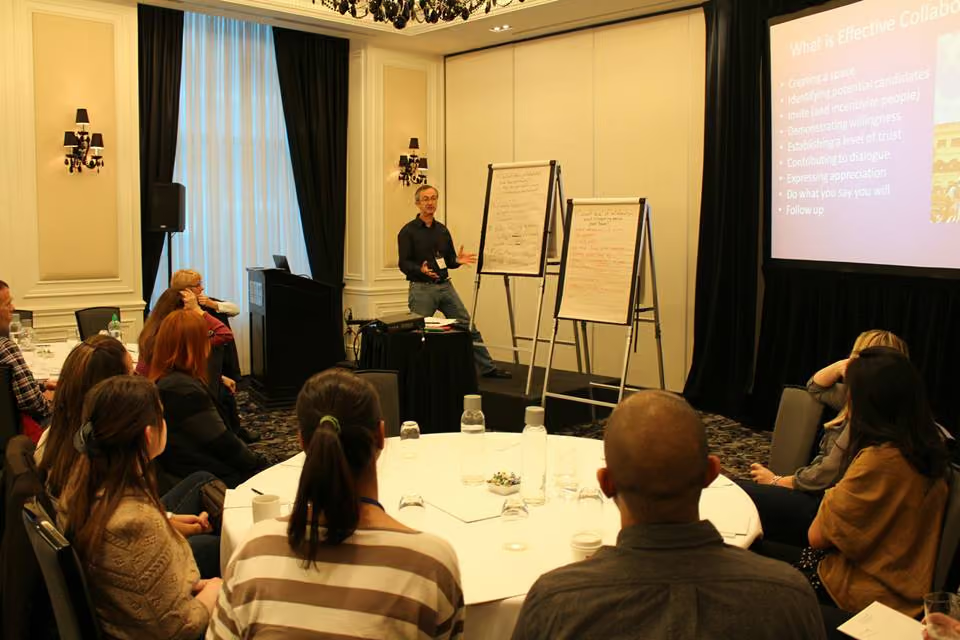
Take, for example, the Authentic Leadership training program hosted by FullTilt Team Development. This is described as “the most exciting and vibrant learning event you’ve ever had.” It involves challenging interactions to complete multiple tasks to develop essential leadership skills to motivate others.
3. Get the team involved in planning events
Planning an effective team building event takes a lot of work. And to ensure success, it makes sense to involve the entire team in planning the activities. In addition, by involving them early on, you’re giving them a chance to see firsthand how your organization functions better when everyone works together.
However, there are more benefits. Inviting your team to help plan the next corporate makes them invested in its successful outcome. They will also come up with new ideas — maybe a fun game you never thought about.
4. Determine your timeline
To organize an effective team building event, give yourself plenty of time to plan. Work backward from the event date with your provider, allowing time for internal approvals, venue availability, participation requirements and delivery logistics. Larger or more complex events may need additional lead time.
Once you know what activities you want to include in your event, break those down into smaller tasks. Then, assign each one a time limit for completion. Next, determine how much lead time you’ll need to complete each step. For example, say you want to hold a scavenger hunt. You’ll need enough time to print out maps, purchase supplies, and distribute them.
5. Establish a budget for the event
The next step in planning an effective team building event is to set a budget. This includes knowing exactly what you can afford and what expenses you can cut out. For example, suppose you plan to organize a corporate retreat. In that case, you may have to include food and drinks in your budget, as well as accommodation costs.
There are various ways to reach your goals for an upcoming team building event or conference. Many options may be free, and others could cost thousands. However, a budget ensures the cost of the event doesn’t spiral out of control.
6. Choose a location or venue
The right venue or location can mean the difference between a successful team building experience and one that flops. Several variables can affect where you host the event. For example, the size of the group, budget, and time of year can impact the location.
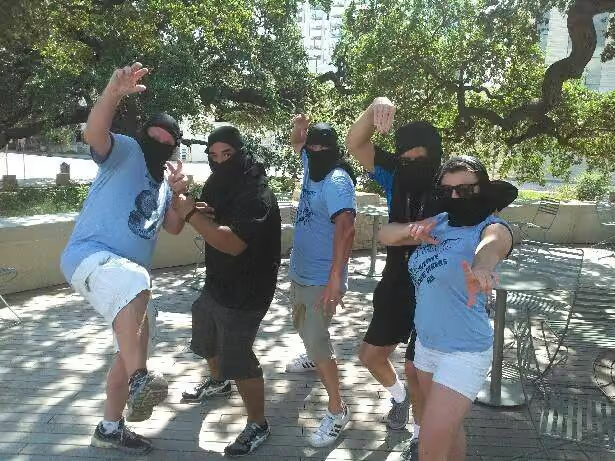
For example, planning a team building event in Austin, TX, is a great idea. In addition, you can organize urban scavenger hunts or outdoor recreational activities. For any outdoor activity, confirm event-date conditions, venue permissions and a workable indoor alternative.
7. Create an event day logistics checklist
After determining the larger elements of the event, it’s time to think about the smaller matters to ensure everything runs smoothly. This is where a well-organized checklist comes in handy. With so much to plan for an effective corporate event, it’s easy to miss small things that could impact your event.
Here are several things to consider when planning for a successful team building event:
- Transportation: How will participants get to the event? Will the company arrange a bus or airfares or will each one be responsible for getting themselves to the event on time?
- Food and drinks: What food and beverages will be supplied? Will alcohol be available?
- Accommodation: Where will overnight accommodation be arranged for off-site locations? What are the transportation arrangements to and from the hotel?
- What to bring: Is any special clothing or footwear necessary? What will happen in the event of bad weather?
- Signage: Who is responsible for getting signage to the event, installing it, and dismantling it?
- Liability waivers: Will attendance require signing a waiver before the event?
-
Depending on the event, more logistical considerations may be included on the list.
8. Have an agenda
A schedule or agenda helps you plan for an event by organizing everything into one place. This way, you know exactly when each activity starts and ends. It also helps create excitement and ensures that everyone is engaged throughout the entire event.
Here are some things to include in a team building event agenda:
- Arrival and departures times
- Meeting points
- Duration of each event
- List of suggested items to bring
It’s also a good idea to inform participants that events are subject to change.
9. Get out of your comfort zone
Planning a successful team building event means getting everyone out of their comfort zone. However, the activities should not make participants feel too awkward, embarrassed, or uncomfortable. Therefore, it is vital to plan activities where everyone feels encouraged to participate willingly.

An improv workshop is handy to help everyone get to know each other and feel at ease. You can use these events to build rapport and make introductions. This can help create a stronger bond during the team building events.
10. Choose the right activities
The key to organizing an effective team building event is to plan the right activities. First, the activities should help you establish your goals and create a strong bond. Second, avoid clichéd activities that do not fit your participants or purpose. Finally, the best way to ensure the event results in team bonding is to get them involved in the planning.
11. Use a team building events agency
The best way to ensure your team building event is effective is to leave the organizing to the experts. Coming up with creative and innovative types of team building activities can be challenging. Therefore, many team building events fail because of a lack of experience. However, a company like FullTilt has many years of experience organizing successful events.
From the brief to event day: a practical planning control system
The eleven steps above help you make the main choices. The next task is to connect those choices so that the approved purpose survives the move from a brief to a quote, a venue plan and the event itself. Use a small set of linked records rather than a separate checklist that no one owns.
Start with one accountable client organizer. Other people can own the budget, room, activity or participant communications, but someone needs to keep the current plan together and escalate decisions. Record who can approve a scope or cost change and who receives the final delivery version.
Start with one brief and an observable output
Write the team situation, purpose, participant range, date/location constraints, budget basis and intended output in a shared brief. Avoid a goal so broad that no one can use it to choose a format. “Better collaboration” becomes more actionable as “participants practice making a request with an owner, needed input, deadline and acknowledgement.”
The second statement does not promise that a session fixes workplace collaboration. It identifies something people can practice and a sponsor can discuss afterwards. Name the person who will own any later work experiment so the provider is not assumed to supply an unagreed follow-up service.
Separate fixed constraints from preferences. A hard return to the conference agenda is different from a preferred activity theme. A booked room with limited access is different from an open venue search. Make those distinctions visible before a provider develops a proposal.
Use six checkpoints before committing the next decision
The checkpoints below are a planning control system, not a mandatory industry timeline. Scope and budget can iterate; the useful rule is to know what is accepted and what remains unresolved before making the next commitment.
If approval is missing, record the blocker and who resolves it. Do not replace evidence with a status such as “should be fine.” A provisional venue or an unanswered supplier question can still be part of a plan, provided the next decision does not depend on treating it as confirmed.
Match the planning tool to your situation
Use the specialist tool that addresses the next decision instead of copying every worksheet into one large document. The brief remains the common reference, while the detailed records serve different people.
For a conference, choose the agenda slot and participant purpose before building the running sheet. The conference team-building guide covers that earlier choice. Planning one activity block does not automatically include management of the full conference, catering, travel or technical production.
Turn the selected proposal into delivery responsibilities
When a supplier is selected, carry accepted requirements into a handoff record. Do not assume that a positive proposal conversation settles the venue's obligations, setup access or attendee communications. Record the agreed version and the evidence each owner will supply.
For example, a request for a quiet participation option needs more than a note saying “accessible.” Confirm the actual role, room arrangement, briefing approach and private contact with the appropriate parties. The public working sheet should contain the operational arrangement, not personal reasons behind it.
Keep unresolved items in the record with an owner and due date. If a responsibility is outside the provider's scope, the client can own it, appoint someone else or change the plan. Leaving it implicit does not make it disappear.
Work backward from the confirmed date
List the dependencies before assigning dates: internal approval, supplier selection, contracting/onboarding, venue confirmation, participant information, materials/travel arrangements, count cutoff and operating review. Ask the relevant owners what each requires and build a realistic sequence around those answers.
Dates should reflect the actual event rather than a universal planning rule. A complex multi-office rollout with shipping and multiple approvers has different dependencies from a straightforward local session. When a decision slips, identify its effect on the next milestone and agree the change.
The event-day sheet then handles access, participant time and release separately. A 90-minute facilitated core does not establish how much room access or participant transition time is needed. Use the run-of-show tool to check the complete arithmetic with the venue and provider.
Handle a changed headcount without losing control
Hypothetical change example: a planner's expected count rises from 80 to 96, an increase of 16 people. The organizer should not assume the same room layout, materials, staffing, timing or price still applies.
Send the updated range to the provider and venue. Ask what changes in the working layout, participation arrangements, activity format, material quantities and accepted scope. Confirm any price effect using the cost and quote checklist. Do not infer a new total by dividing the old price by the old count.
Record the decision, approved version, budget authorization and who needs revised instructions. If the original format cannot support the new requirement, compare an approved alternative or revised date/window. Confirm acceptance before telling participants the change is settled.
Run a final readiness review
Before delivery, check that the room/access plan, materials/technology, participant instructions, operating contacts, meaningful participation options and contingency decisions are confirmed. Each item needs an owner and evidence rather than a general expression of confidence.
Use the venue's required procedures and professional contacts for safety and incidents. This planning review does not certify venue suitability or replace those requirements. If something essential remains blocked, the responsible parties need to resolve it, change scope or change timing.
Finish with a working agreement and an honest review
Ask participants what they observed, then choose a small work action worth trying. Record the owner, first use, evidence and review date. A hypothetical example is a team agreeing to include an explicit receiving owner in its next cross-functional request, then checking whether the information was sufficient.
Separate how people felt about the event, what they practiced during it and what happened later at work. Satisfaction is useful feedback but is not financial return. An observed game behavior is not a diagnosis of an individual or proof of a department's culture.
Use the team-building measurement guide to choose credible measures. The aim is a documented learning loop: a clear purpose, an agreed experience, an owned next step and a review that can change the next plan.
Team-building planning questions
Call FullTilt Team Development to Organize a Successful Team Building Event
At FullTilt, we realize how challenging organizing effective team building activities are. And even if you have remote teams and need to plan virtual team building activities, we can help.
Therefore, our experts will work with you to align team events with your goals. Each event is unique, so we take into consideration your team size, location, and requirements. The aim is a useful shared experience aligned with your goals; assess participant feedback and agreed follow-through rather than assuming a financial return.
To arrange a free consultation, please call us today at 310-400-6285 or fill out this easy online form.
Before confirming the event, write the event contingency decision plan. Name the authorized decision owner, review times, confirmed alternatives and communication route. Keep venue and employer safety procedures and written supplier terms separate from illustrative planning examples.