


In today's fast-paced business world, HR is evolving. It's no longer just about hiring and payroll. HR is becoming a strategic partner in business growth.
Team design plays a crucial role in this transformation. Team design improves collaboration through structured team building programs that align employees with business goals. It impacts how businesses grow and adapt. Effective team design can address organizational inefficiencies and boost productivity.
Predictive team performance tools are game-changers. They help identify potential performance gaps before they affect outcomes. This proactive approach is vital for success.
AI in HR is revolutionizing workforce planning. It offers predictive analytics for better talent management. AI talent matching ensures the right fit between roles and candidates.
Collaboration analytics provide insights into team dynamics. They improve communication and enhance team effectiveness. Remote team structures also require unique strategies for engagement.
An organizational design strategy aligns teams with business goals. It ensures optimal performance and adaptability. Data-driven HR metrics offer actionable insights for strategic decisions.
HR leadership transformation involves adopting new technologies. It requires a shift in mindset for strategic impact. Scaling teams effectively balances growth with team cohesion.
AI-driven performance analytics provide real-time insights. They maximize HR's business impact. The future of HR lies in its strategic role, driving business growth through innovative team design.
The Evolution of HR: From Administrative to Strategic Partner
HR has traditionally focused on administrative duties. Tasks such as managing payroll and benefits were its main responsibilities. However, businesses are now recognizing the strategic potential of HR.
Companies need HR leaders who can contribute to strategic planning. These leaders align HR strategies with business objectives. This shift reflects the changing role of HR in organizations.

HR is becoming a crucial part of business growth. It's no longer about just filling positions. HR professionals are now key players in talent development and organizational success.
The evolution of HR involves several critical changes:
- Integrating technology for effective HR processes.
- Developing strategic talent management systems.
- Enhancing organizational agility and adaptability.
Utilizing predictive analytics is another transformative step. It allows HR to forecast talent needs and address potential performance gaps. This proactive approach leads to better organizational efficiency.
The adoption of AI in HR enhances workforce planning and talent matching. Advanced technologies streamline HR functions, making them more effective. This technological integration is pivotal for HR's strategic role.
Collaboration between HR and other departments is crucial. It ensures that HR strategies are aligned with broader business goals. This alignment supports the achievement of desired business outcomes.
As HR continues to evolve, its impact on organizational growth will increase. Strategic HR leaders can anticipate business needs and contribute to future planning. This proactive approach maximizes the HR business impact.
The transformation from administrative tasks to strategic partnerships signifies a new era in HR. It sets the foundation for companies to thrive in competitive markets. HR is poised to become a driver of sustainable growth and innovation.
Why Team Design Matters for Business Growth
Team design is crucial for fostering business growth. Well-structured teams align with company objectives and drive efficiency. Proper team design creates a culture of collaboration and innovation.
The right team structure can address common performance issues. It can enhance communication and reduce conflicts. By having the right people in the right roles, businesses can minimize organizational inefficiencies.

Understanding team dynamics is essential for performance. Each team member brings unique skills. Harnessing these skills requires careful planning and coordination.
Effective team design involves several key components:
- Role clarity and alignment with business objectives.
- Diverse skill sets to tackle complex challenges.
- Open communication channels to facilitate teamwork.
A focus on team design promotes adaptability. In fast-paced markets, teams must quickly respond to changes. Flexible team structures enable companies to pivot when necessary.
Predictive performance tools can optimize team designs. They identify skill gaps and highlight areas for improvement. This insight helps in developing targeted strategies for growth.
AI-driven analytics offer valuable information. They reveal how teams operate and interact. With this data, HR can make informed decisions on team design adjustments.
Team design impacts employee engagement and satisfaction. Well-designed teams offer opportunities for growth. Employees are more motivated when their roles align with personal goals.
The transition from traditional hierarchies to dynamic teams is crucial. Modern teams are more agile and innovative. This structure supports sustainable growth and long-term success.
The combination of strong team design and strategic HR practices is powerful. It leads to improved productivity and business outcomes. Companies benefit greatly from investing in robust team structures.
In conclusion, team design is a critical element in today's business environment. Thoughtfully designed teams can make a significant difference. They are essential in achieving and maintaining competitive advantage.
Understanding Predictive Team Performance and Performance Gaps
Predictive team performance is a forward-looking approach. It uses data to forecast team and individual outcomes. This method identifies potential issues before they arise.
AI tools play a significant role in predictive analytics. They process large datasets quickly. AI helps HR spot patterns not visible to the naked eye.

Recognizing performance gaps is key for growth. Gaps indicate where a team or person falls short. They reveal weaknesses that could limit success.
There are several signs of performance gaps:
- Decline in productivity or work quality.
- Frequent communication breakdowns within teams.
- Misalignment between team outputs and business goals.
Addressing these gaps begins with accurate identification. HR must gather data-driven insights. This enables a structured approach to resolve problems.
Predictive tools help in understanding team dynamics. They provide insights into collaboration patterns. By analyzing these patterns, HR can enhance team effectiveness.
Organizations benefit from an early warning system. Predictive analytics fulfill this role. They guide proactive management of resources and talent.
Performance gaps, if unchecked, can disrupt progress. Businesses need strategies to close these gaps quickly. With predictive tools, HR can create targeted improvement plans.
Insights drawn from predictive tools can be transformative. They support better decision-making and team realignment. This leads to improved performance and productivity.
Applying predictive analytics requires a cultural shift. Companies need to embrace data-based evaluation methods. This involves training staff to interpret analytics effectively.
In conclusion, understanding and applying predictive team performance enhances strategic planning. It sets the foundation for resolving performance gaps. Businesses leveraging these insights stay competitive in dynamic markets.
Leveraging AI in HR: Workforce Planning and Talent Matching
AI is transforming HR landscapes with groundbreaking tools. It plays a key role in workforce planning and talent matching. This advancement shifts the HR function from reactive to proactive.
AI workforce planning involves strategic resource allocation. It predicts future staffing needs. By analyzing trends, it ensures the right personnel at the right time.

Talent matching with AI optimizes the recruitment process. It identifies candidates with the best fit for roles. AI compares job requirements with candidate skills, making the process efficient.
HR can use AI algorithms to evaluate resumes at scale. This reduces hiring timelines and improves accuracy. The technology filters out unqualified candidates quickly.
AI aids in enhancing diversity within organizations. It minimizes biases often seen in traditional hiring methods. Through data-driven insights, AI supports inclusive hiring practices.
Benefits of AI in workforce planning and talent matching include:
- Streamlined recruitment processes.
- Improved precision in candidate selection.
- Proactive staffing solutions based on predictive data.
Automated systems also support performance monitoring. AI tools assess ongoing employee contributions. Feedback loops are generated without human intervention.
As AI tools revolutionize HR, they don't replace human intuition. Instead, they supplement it. The combination of AI data and human judgment is powerful.
Organizations that adopt AI see notable impacts. They experience increased efficiency and better talent management. This improves overall business outcomes.
However, there are challenges to consider. Data security is a primary concern. Protecting sensitive information in AI systems is crucial. This requires robust cybersecurity measures.
To fully leverage AI in HR, a willingness to embrace change is needed. Upskilling HR professionals to work with AI tools is essential. Training ensures they can make the most of available technology.
In summary, AI revolutionizes workforce planning and talent matching. It enables HR to play a strategic role in business growth. With proper implementation, AI offers valuable insights that propel organizations forward.
Organizational Design Strategy: Aligning Teams with Business Goals
Organizational design strategy is a critical component of business success. It aligns team structures with overarching business objectives. This alignment enhances efficiency and responsiveness.
Creating an effective organizational design involves several key steps. The first is understanding the company's strategic goals. This ensures that team structures support these aims.

Defining clear roles and responsibilities is essential. It reduces confusion and drives accountability. Teams function best when members know their contributions matter.
Communication is central to successful organizational design. Seamless communication channels improve information flow. This minimizes misunderstandings and fosters a collaborative culture.
An adaptive organizational design allows for agility. In a dynamic business environment, flexibility is a strength. Teams that can pivot quickly meet changing market demands.
Common elements of effective organizational design include:
- Clear vision and mission aligning with business goals.
- Defined roles and responsibilities within each team.
- Flexible structures to adapt to shifting needs.
Leaders play a significant role in shaping team structures. Their vision guides the design process. They must communicate strategic priorities clearly to all levels.
Adopting AI-powered tools can support organizational design. These tools analyze patterns and identify inefficiencies. They provide insights for restructuring teams effectively.
AI-driven workforce planning enhances organizational alignment. By predicting potential gaps, it prevents resource misallocation. This proactive approach saves time and resources.
Successful organizations invest in their design strategy. They understand that optimized teams drive performance. Strategic alignment between structure and goals is key to sustained growth.
Ultimately, organizational design is not static. Regular reviews and adjustments keep structures relevant. Businesses that embrace continuous improvement thrive.
In summary, organizational design strategy ensures teams align with business objectives. By focusing on clear roles, communication, and flexibility, companies enhance their adaptability and growth potential.
Data-Driven HR Metrics and Collaboration Analytics
In today's digital age, data-driven HR metrics are indispensable. They provide a quantifiable insight into workforce dynamics and performance.
These metrics guide strategic HR decisions. By analyzing data, HR can better align with business goals. For instance, tracking employee productivity helps identify trends.

Collaboration analytics further enhance understanding. They examine how team members interact. This can reveal communication bottlenecks or collaboration inefficiencies.
Effective collaboration is vital for team success. Analyzing interaction patterns can improve teamwork. It highlights strengths and areas for development.
Implementing data-driven metrics offers several advantages:
- Identifies performance trends and predicts future needs.
- Enhances decision-making with objective insights.
- Reduces organizational inefficiencies by targeting specific issues.
However, collecting data is just one part of the process. Interpretation is key. HR professionals must translate numbers into actionable strategies.
Tools powered by AI can automate data analysis. These tools provide real-time insights. They help HR monitor team dynamics continuously.
HR should prioritize transparency when using data. Employees should understand how their data is used. This fosters trust and encourages data sharing.
Collaboration analytics can also improve remote work arrangements. Analyzing remote teams uncovers interaction patterns. It helps ensure remote workers remain connected and engaged.
For maximum impact, data-driven insights should be actionable. HR must translate findings into meaningful initiatives. This might involve restructuring teams or altering communication practices.
Incorporating these insights into HR strategy enhances business growth. When teams operate efficiently, it reflects positively on the bottom line. Organizations thrive when data informs HR strategies.
In conclusion, leveraging data-driven HR metrics and collaboration analytics is vital for modern businesses. They provide the insights necessary to optimize team dynamics and drive performance improvements.
Addressing Team Performance Issues and Organizational Inefficiency
Identifying team performance issues early is crucial. These issues, if left unchecked, can hinder business growth significantly.
Performance gaps can occur for many reasons. Lack of clear objectives often leads to confusion. Team members may also have mismatched skills for their roles.

AI-driven tools can help spot these gaps early. They analyze patterns and predict potential issues. This allows HR to take proactive measures.
Organizational inefficiency is another major concern. Inefficiencies result from outdated processes or poor communication. They can drain resources and slow progress.
Streamlining processes is key to overcoming inefficiencies. Regular evaluation of existing procedures is essential. Asking whether each step adds value can be revealing.
The following steps can be effective in addressing these challenges:
- Regular performance evaluations to identify skill mismatches.
- Implementing continuous feedback loops within teams.
- Investing in training to align skills with objectives.
A collaborative culture can also mitigate performance issues. Encouraging open dialogue encourages teams to address challenges constructively.
Training plays a significant role in resolving performance issues. Offering targeted learning opportunities empowers employees. It bridges skill gaps and enhances productivity.
Moreover, recognizing and rewarding performance boosts morale. It motivates employees to strive for excellence. This, in turn, mitigates inefficiencies by fostering engagement.
AI tools can optimize workforce allocation. They suggest optimal role placements. This reduces mismatched skills and improves team efficiency.
In conclusion, addressing performance issues and inefficiencies requires a proactive approach. Leveraging AI, fostering open communication, and investing in skills are vital steps. When these strategies align, organizations can achieve sustained growth and performance excellence.
Remote Team Structure: Strategies for Distributed Teams
Remote work has become a permanent fixture in today's business environment. Designing effective remote teams is a top priority for HR leaders.
A successful remote team structure hinges on clear communication. A well-defined communication plan ensures team members remain connected and informed.

When creating remote teams, understanding cultural differences is essential. These differences can influence communication styles and work habits.
Remote teams require strong leadership. Leaders need to be accessible and proactive in fostering team cohesion. This involves setting up regular check-ins and encouraging feedback.
To maintain productivity, companies can use various strategies:
- Implementing standardized technology platforms for seamless operations.
- Setting clear goals and expectations for remote employees.
- Fostering a culture of trust and accountability.
Time zone differences can pose challenges for global teams. Flexible schedules can help, allowing team members to work during peak productivity hours.
Building a sense of community is crucial for remote teams. Virtual team-building activities can boost morale and strengthen bonds.
Monitoring well-being is also important. Regular health check-ins ensure team members feel supported. This can reduce stress and prevent burnout.
Remote teams can benefit from collaboration analytics. These tools provide insights into communication patterns and improve workflow efficiency.
Investing in the right tools and platforms is critical. Modern technology facilitates collaboration regardless of location. This ensures that remote teams are equipped to excel.
In conclusion, remote team structure requires thoughtful planning. By embracing technology and nurturing team culture, companies can create productive, connected teams ready to drive success.
Scaling Teams Effectively: Balancing Growth and Cohesion
Scaling teams is a complex yet necessary process. Rapid growth can strain resources and disrupt team unity. Balancing these elements is key to successful scaling.
For effective scaling, clear strategies need to be in place. Organizations must anticipate challenges that arise with expanding teams. This foresight allows for proactive solutions, minimizing disruptions.

Consistency is vital during growth phases. Ensuring that company values and culture are maintained is crucial. As teams grow, leaders should emphasize these core aspects.
Organizations can adopt a few strategies to scale teams successfully:
- Incrementally increase team size to better assess impacts.
- Foster continuous learning through training and development.
- Leverage technology for efficient communication and collaboration.
An agile mindset can aid in adapting to changes smoothly. Agile frameworks facilitate responsiveness and flexibility, driving effective team growth.
Recruitment processes play a pivotal role in scaling. Selecting the right talent ensures that new hires can seamlessly integrate and contribute positively.
Feedback loops are essential in growth phases. Regular feedback helps address issues before they escalate. It also aligns team efforts with organizational goals.
Maintaining transparency is necessary when scaling teams. Open communication builds trust and keeps everyone informed. It ensures alignment during periods of change.
HR professionals have to remain adaptable. As teams expand, they should revise their strategies regularly. This review helps them handle evolving dynamics effectively.
Success in scaling teams ultimately depends on balancing the drive for growth with the need to maintain cohesiveness. A thoughtful approach, focusing on both people and processes, ensures sustainable expansion. By applying these best practices, organizations can scale effectively while nurturing a strong, unified team culture.
HR Leadership Transformation: Adopting New Technologies and Mindsets
The role of HR is rapidly evolving. No longer limited to traditional functions, HR leaders now adopt innovative technologies and mindsets. This transformation is vital for staying relevant in today's fast-paced business environment.
A significant aspect of this transformation is technological integration. Advanced tools like AI and machine learning enhance HR processes. These technologies streamline operations and offer strategic insights.
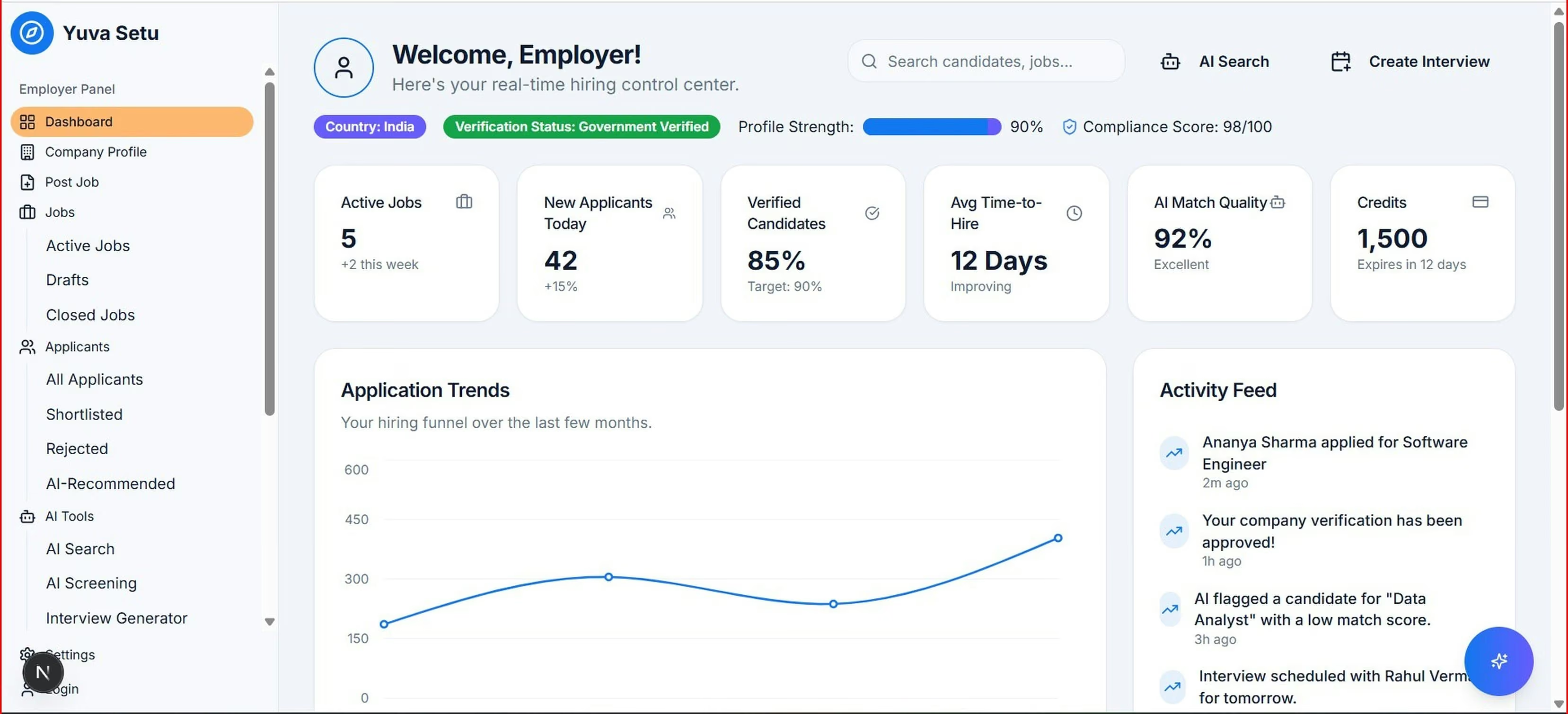
Leveraging data-driven insights enables HR leaders to make informed decisions. Analytics provide a deeper understanding of workforce trends and behaviors, facilitating proactive measures.
Adopting a strategic mindset is essential for modern HR leadership. It involves viewing HR functions as contributors to business growth. Aligning HR strategies with organizational goals drives impactful outcomes.
Key strategies for successful HR transformation include:
- Embracing continuous learning to stay updated with industry trends.
- Fostering a culture of innovation to encourage creative solutions.
- Collaborating cross-functionally to align initiatives with broader business objectives.
Building agile teams is critical for adapting to change. Agility enables organizations to swiftly respond to market dynamics, enhancing competitiveness.
Remote work has gained prominence, reshaping HR strategies. It requires leaders to adopt flexible approaches for remote team management. This shift emphasizes the need for digital communication tools and robust engagement practices.
HR transformation necessitates a shift in leadership approach. Leaders should prioritize employee experience and engagement, fostering a positive workplace culture.
In conclusion, transforming HR leadership involves adopting cutting-edge technologies and strategic mindsets. This evolution enhances HR's role as a strategic partner. By embracing these changes, HR leaders can drive substantial business impact and foster sustainable growth.
AI-Driven Performance Analytics: Real-Time Insights for HR Impact
AI-driven performance analytics offer a fresh perspective on workforce management. By analyzing real-time data, HR can make informed decisions swiftly. This rapid response capability is invaluable for maintaining competitive edges.
The integration of AI in HR processes allows for precise insights into team dynamics. Machine learning algorithms identify patterns and predict performance trends. This foresight helps prevent potential issues before they escalate.
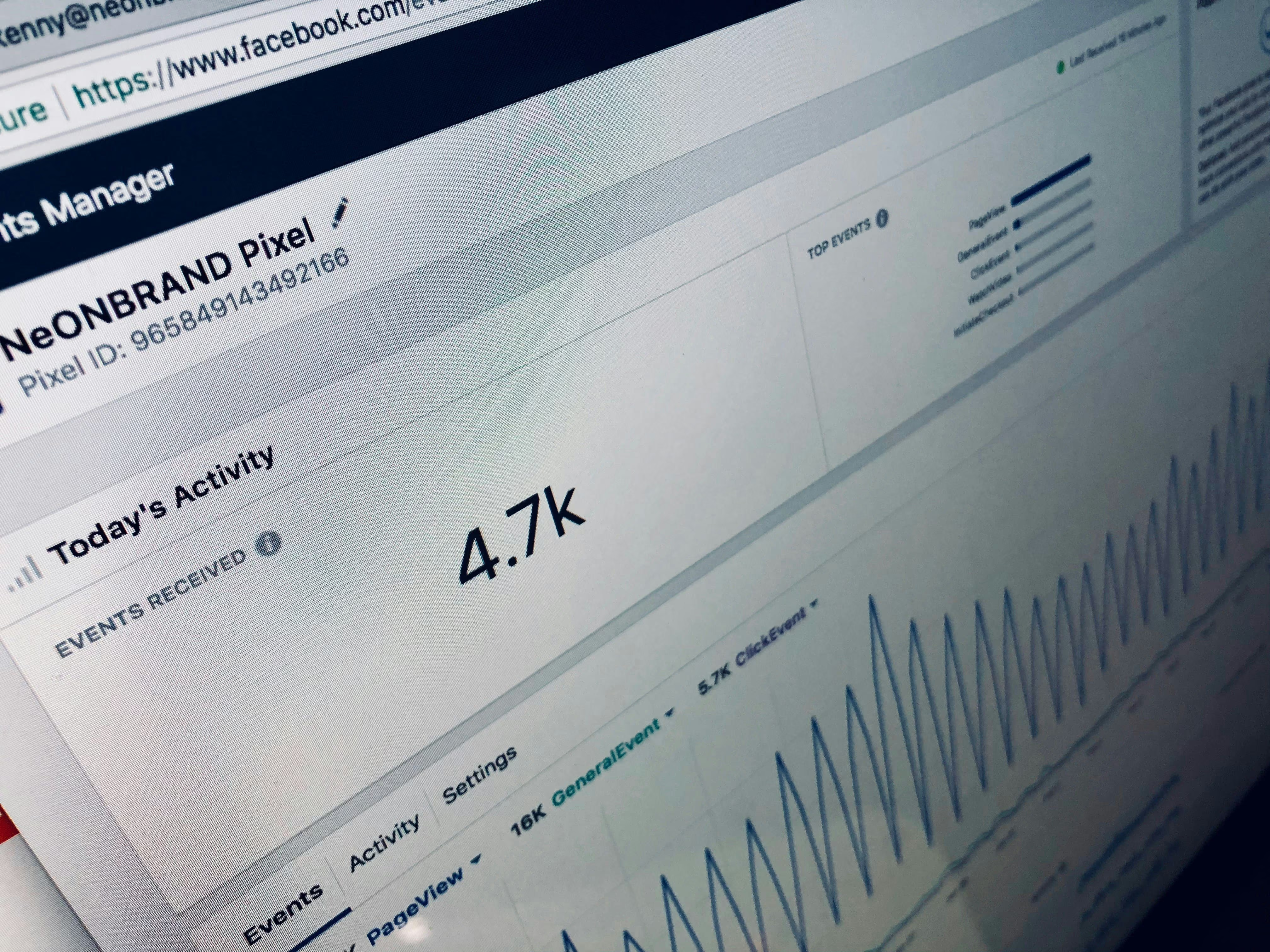
Real-time analytics transform traditional performance reviews. Continuous monitoring provides an up-to-date picture of employee achievements. This approach enables timely feedback and fosters ongoing development.
Understanding key performance indicators (KPIs) is crucial. AI tools highlight relevant metrics, offering a detailed view of productivity levels. Managers can then focus on areas requiring immediate attention.
Benefits of AI-driven performance analytics include:
- Enhanced decision-making with accurate data
- Early identification of performance gaps
- Improved alignment with business objectives
Predictive analytics also play a key role. They offer forecasts that inform strategic HR planning. Anticipating workforce needs ensures readiness for future demands.
Moreover, these insights empower HR to design tailored development programs. Personalized training increases engagement and enhances employee satisfaction. Organizations benefit from a skilled and motivated workforce.
Integrating AI-driven analytics requires a commitment to technology adoption. Organizations must invest in training HR teams to leverage these tools effectively. With the right approach, analytics can revolutionize workforce management, driving long-term success.
In conclusion, AI-driven performance analytics transform how HR departments operate. They enhance strategy formulation and delivery of measurable HR impacts. By embracing these tools, organizations pave the way for strategic growth.
Case Studies: Team Design Driving Business Growth
Examining real-world examples helps illustrate the profound impact of strategic team design on business success. Learning from these cases provides valuable insights for HR leaders aiming to drive growth.
In one prominent case, a technology firm faced challenges adapting to rapid market changes. They restructured their teams to enhance agility. This involved reducing hierarchical layers and fostering a culture of empowerment.

Post-restructuring, the company experienced a marked increase in innovation. Teams became more responsive to customer needs, and product time-to-market reduced significantly. This adaptability was key to maintaining competitive advantage.
Another example is a multinational corporation transitioning to remote work due to a global pandemic. They implemented virtual collaboration tools and adapted leadership methods for remote teams. Communication strategies were revised, and engagement levels soared.
After adopting a robust remote team structure, the company reported higher employee satisfaction. Productivity rates went up as workers benefited from better work-life balance. Cost savings also became evident with reduced office space expenditures.
Key factors observed across these cases include:
- Aligning team design with strategic goals
- Encouraging a culture of continuous improvement
- Employing technology to enhance communication
In both examples, the results were not incidental. They stemmed from deliberate design choices aligning people with purpose. These organizations thrived by viewing team design as a cornerstone for business growth.
These case studies underline the transformative power of thoughtful team structuring. By learning from successful implementations, companies can replicate similar achievements. For HR leaders, integrating such strategies offers a path towards sustained competitive success in dynamic markets.
Building an Actionable HR Strategy for Growth
A robust HR strategy aligns human resource efforts with overarching business objectives. It's about evolving from traditional roles to becoming proactive strategic partners.
First, identifying organizational needs and goals is crucial. This requires a clear understanding of market trends and business priorities. Aligning HR initiatives with these insights fosters meaningful contributions.
Developing a data-driven approach enhances decision-making. Leveraging analytics provides clarity on workforce trends and performance metrics. This approach empowers HR leaders to identify gaps and address them promptly.

Creating an agile workforce is paramount in today's fast-paced environment. Encouraging flexibility and adaptability equips teams to navigate changes effectively. This involves continuous learning and development opportunities for employees.
Key components of a successful HR strategy include:
- Align HR goals with business objectives
- Implement data-driven decision-making
- Foster an agile and adaptable workforce
Building this strategy requires collaboration across departments. HR teams should work closely with managers and leaders to ensure alignment. This collective effort strengthens the overall impact of HR initiatives on business growth.
In conclusion, an actionable HR strategy is dynamic and responsive. It evolves as business needs change, ensuring that human resources contribute effectively to growth. HR's transition to a strategic role is pivotal in achieving sustained organizational success.
The Future of HR as a Strategic Business Partner
The evolution of HR into a strategic partner marks a significant shift. It transcends administrative functions, impacting business growth and sustainability.
In the future, HR will shape business strategies more profoundly. This includes steering talent management and enhancing organizational design. The synergy between HR and strategic goals will be integral to success.

A strategic HR approach benefits businesses in numerous ways:
- Enhances talent acquisition and retention
- Drives organizational efficiency and innovation
- Aligns workforce development with business objectives
Embracing AI and data analytics will be pivotal in this transformation. They offer insights and predictive capabilities, ensuring HR remains at the forefront of business innovation.
As organizations embrace this change, HR's role will expand further. It will become indispensable in guiding companies through market changes and challenges. The future of HR is bright, marked by strategic influence and impactful contributions.
Strategic Questions Every HR Leader Should Be Asking
How does team design directly impact business growth?
Team design influences how effectively people collaborate, communicate, and execute tasks. When teams are structured around clear roles and aligned with business goals, organizations see improvements in productivity, innovation, and overall business growth.
What is predictive team performance and why is it important?
Predictive team performance uses data and AI-driven insights to forecast how teams will perform in the future. It helps HR leaders identify potential performance gaps early and take proactive steps to improve outcomes before issues impact business results.
How is AI changing the role of HR in modern organizations?
AI in HR is shifting the function from administrative support to strategic decision-making. With tools like workforce planning, talent matching, and performance analytics, HR can now make data-driven decisions that directly influence business success.
What are the biggest challenges in scaling teams effectively?
Scaling teams often leads to communication gaps, reduced cohesion, and inefficiencies. The key is balancing growth with strong team structures, clear communication, and maintaining alignment with organizational goals.
How can organizations improve collaboration in remote or hybrid teams?
Remote and hybrid teams require structured communication, clear expectations, and the right digital tools. Collaboration analytics and regular check-ins can help maintain engagement and ensure teams stay connected and productive.
What role does data play in improving team performance?
Data-driven HR metrics provide insights into productivity, engagement, and team dynamics. By leveraging real-time analytics, organizations can identify inefficiencies, improve collaboration, and optimize team performance.
How can HR leaders transition into strategic business partners?
HR leaders can become strategic partners by aligning HR initiatives with business objectives, adopting AI-driven tools, and focusing on long-term workforce planning rather than short-term administrative tasks.
What are common signs of performance gaps within teams?
Performance gaps often show up as declining productivity, communication breakdowns, or misalignment with business goals. Identifying these early through predictive analytics allows organizations to address issues proactively.
How does team design influence employee engagement and retention?
Well-designed teams provide clarity, growth opportunities, and a sense of purpose. This leads to higher employee engagement, better job satisfaction, and improved retention rates.
Why is organizational design important in a fast-changing business environment?
Organizational design ensures that teams are flexible, scalable, and aligned with business goals. In a rapidly evolving market, adaptable team structures help companies respond quickly to change and maintain a competitive advantage.
To translate this strategic role into the next planning cycle, turn team goals into an operating plan. The 2027 template separates the problem, sponsor, employee input, decision gate and quarterly review from the event calendar and supplier brief.