

Why does team building usually fail? It usually comes down to one uncomfortable question: What problem are you actually trying to solve?
Most HR leaders will come up with vague answers like ‘better culture,’ ‘stronger teamwork,’ and ‘more employee engagement.’ That’s why team building rarely solves workplace productivity issues.
Here’s what happens: vague goals create generic events. Generic events create short-lived outcomes. And short-lived outcomes create team skepticism and disengagement. The result? Ineffective team building activities and wasted resources.
That’s why most leaders don’t need another corporate retreat. They need a structured process to develop strategies that reinforce clearer ownership, stronger team alignment, smoother cross-functional teamwork, and better decision-making. That requires more than an event. It requires design.
Does team building actually work? Yes—but only when it’s built around business outcomes, not booked as a reward for surviving Q2 or as a fun weekend getaway for employees.
Why Employees Stop Trusting Team Building
You can usually spot the reaction before anyone says it.
The invite shows up: team building, two weeks from Thursday. You can hear the sighs. People start checking their calendars, hoping they’re already booked. Some will nod along in meetings, others will roll their eyes when management isn’t looking.
Employees usually are not reacting out of laziness. It comes from pattern recognition.
Most employees have been through this before. Forced icebreakers, awkward trust falls, expensive offsites. Nothing changes. On Monday morning, the same confusion about who owns what, the same missed handoffs, and the same tension exist between teams.
Forced Fun Creates Resistance
People don’t feel engaged in a team event when they feel pushed to join in or act excited. The opposite happens. They push back if the activity feels fake or awkward. The result? Most employees check out before it even starts.
One-Off Events Don’t Change Behavior
One afternoon of activities can’t fix months of missed handoffs, unclear ownership, or leaders who can’t agree. If nothing changes after the session, people know it was just a break from work.
Generic Activities Ignore Real Team Problems
Team building that focuses only on fun will never solve real teamwork and productivity problems. Teams don’t fix unclear roles or missed handoffs by playing games. Team building only works when it’s aimed at the actual issues holding back the work.
Why Does Team Building Fail in Companies So Often?
Team building fails in companies because many workplace problems are structural, not social. Team events that focus only on the social side of teamwork don’t address the real issues. Teams don’t get stuck because they need more fun together. They’re stuck when ownership is vague, department goals are misaligned, or hard conversations keep getting delayed.
A team building event—regardless of how fun it is—won’t fix fundamental issues of the way work runs never changes.
The biggest mistakes in team building usually come down to six issues.
1. No Clear Business Objective
The easiest mistake to make in team building is not defining what actually needs to improve. “Better corporate culture” isn’t a goal. It’s a vague concept. A real business objective is specific. Faster decision-making. Clearer ownership. Better handoffs between teams. Blurry outcomes mean blurry events.
2. Wrong Format for the Actual Problem
Another reason team building doesn’t work is that activities are chosen before the underlying issues are identified. If sales and operations can’t agree on ownership, a casual offsite won’t solve it. If leadership keeps delaying decisions, a scavenger hunt won’t help. The format has to match the friction, or the whole thing becomes another ineffective exercise people sit through and forget.
3. Activities Don’t Automatically Change Behavior
One of the biggest mistakes in team building is assuming participation creates behavior change. A team can complete a challenge, laugh together, and still return to the same habits on Monday. If managers avoid feedback or departments prioritize their own interests, the activity has to connect directly to those behaviors.
4. Lack of Psychological Safety
It’s a mistake to think that team building itself will build trust when people feel exposed. Effective team events must create psychological safety. If they worry that honesty will be judged, they’ll stay polite and say nothing useful. Forced vulnerability creates silence, not stronger collaboration.
5. Poor Facilitation
Team building will never resolve workplace productivity issues under weak facilitation. The truth is that facilitating a team event starts long before the event itself. It requires aligning the activities with the outcomes HR leaders want to achieve.
During the event, the facilitator manages difficult moments so that stronger personalities don’t take over and quieter voices disappear. The goal should be progress over performance.
6. No Follow-Through After the Event
This is where team building activities quickly become ineffective and lose credibility. Teams leave with good intentions. But what happens a week, a month, or even longer after the event? Without a follow-up, it’s impossible to chart progress and discover what’s working and what needs improvement.
Why Companies Keep Doing It Anyway
Companies keep booking weak team building because it feels easier than fixing the real problem. A fun offsite is simple to approve. It looks positive. It gives employees a break. It also avoids the harder work of addressing weak management, slow decisions, and poor accountability.
That is the trap.
It is easier to book an event than to confront the leadership behavior or broken process slowing the team down. That is why the real shift is not from one activity to a better activity. It is from events to operating systems.
This is where the real split shows up: team building vs team performance. One is easy to approve because it looks positive. The other requires leaders to confront how the team actually works.
The Real Cost of Ineffective Team Building Activities
Bad team building is expensive. You pay for the venue, travel, facilitation, and lost work hours. But the real cost of a poorly structured team building program extends beyond just a bill at the end.
The real waste is how ineffective team performance events affect employee morale. They feel disengaged, stop taking the initiative, and trust in leadership drops. Managers spend more time resolving friction than driving progress. The conflict that team building was supposed to solve continues to undermine confidence.
The cost isn’t the workshop. It’s the repeated dysfunction.
That doesn’t mean that team building isn’t an investment. When done right—when tied to actual performance frameworks—it can boost your company’s bottom line.
Research into the benefits of team building found that teams become more open, communicate better, and achieve better economic performance compared to companies that don’t invest in team building. Other studies found that structured team development improved collaboration, product quality, and team cohesion.
Why Traditional Team Building Often Fails Women
In male-dominated industries, it’s no surprise that typical team building activities fail women. Many formats treat visibility as an equal opportunity. But visibility isn’t judged evenly. The same direct comment, competitive push, or public challenge can land differently depending on who says it and who holds power in the room.
This problem shows up fast in mixed teams. A man who interrupts may come across as confident. On the other hand, a woman who pushes back may have to think harder about tone, timing, and how the room will label her.
Trust-based exercises can create a similar problem. Asking employees to share openly before a level of trust has been built puts some people in an awkward spot. Say too little, and they seem guarded. Disclose too much, and they could be accused of oversharing or being unprofessional.
The issue isn’t that women need bespoke team building events. They need better-designed team development programs, with a trained facilitator managing airtime and participation so different leadership styles can be seen.
How to Choose Team Building That Actually Works
Team building only works when leaders make the right decisions long before the event is booked. Choosing the right activities matters, but that comes later. The first step is to define the business problem, the group dynamics, inclusion risks, the type of facilitation, and the success measure.
Start With the Problem, Not the Activity
Before choosing an activity, name the work problem in plain terms. For example:
- Are decisions too slow?
- Are departments blaming each other?
- Are managers avoiding feedback?
- Are new teams unclear on roles?
- Do teams keep missing deadlines?
If you can’t name the problem, it will be almost impossible to design a team building program that works.
A useful planning question is: “What should people do differently at work after this experience?” If the answer is “communicate better,” keep going. Better how? In meetings? During handoffs? Under pressure? Across seniority levels?
Match Format to Group Dynamics
Different team problems need different formats. A competitive challenge may work for a confident sales group, but it can backfire with a team already dealing with tension, low trust, or uneven participation.
Match the format to the room, not the brochure. For example:
- A newly merged department may need a structured collaboration exercise.
- A leadership team stuck in slow decisions may need a facilitated alignment session.
- A remote team may need an experience that builds familiarity without forcing personal disclosure.
Vet the Facilitator, Not Just the Activity
A good team building activity can fail with weak facilitation. The facilitator has to read the room, manage dominant voices, draw out quieter participants, and connect the exercise back to work behavior.
Ask how the facilitator handles friction.
- Do they work along with HR in the planning process?
- Do they debrief the group?
- Do they connect the activity to leadership, trust, communication, or decision-making?
- Do they adjust when the group energy shifts?
If the answer is mostly logistics and timing, that is not enough.
Build Inclusion Into the Design
Inclusion cannot be left to chance. Planners should ask who may be less likely to speak first, compete publicly, move comfortably, or share personal stories in front of managers.
That is not overthinking it. That is designing for the actual room.
Strong team development gives people multiple ways to contribute. Some people lead through speed. Others lead through judgment, listening, coordination, or spotting risk early. The format should make those strengths visible.
Define Success Before You Book
Success should be clear before the deposit is paid. Not “people had fun.” That may matter, but it is not the full measure.
Define the outcome in work terms.
Maybe the goal is faster project handoffs, clearer ownership, stronger trust between departments, or better feedback habits among managers. If leaders know what should change, they can choose the right experience and measure whether it worked afterward.
Team Performance Frameworks for Long Term Results
The key to improving team performance is creating frameworks connected to five things: structured interventions, clear decision rights, accountability, communication systems, and follow-through. Activities can help. But they must support real changes in how people make decisions, share information, resolve friction, and own work after the event ends.
Most companies still think in terms of team building vs team performance as if they are separate decisions. They are not. Team building only matters when it improves how the team communicates, makes decisions, handles friction, and delivers work afterward.
Structured interventions beat random activities because they start with the real issue. If a leadership team keeps revisiting the same decision every month, the problem is not morale. It’s an ownership issue. Someone has to clarify who owns the call, who gives input, and when the debate ends.
Performance frameworks help by providing teams with shared standards. People need to know what good teamwork looks like in daily behavior. That may mean cleaner handoffs, faster escalation, better meeting discipline, or clearer feedback between managers and direct reports.
Accountability architecture sounds heavier than it needs to. It simply means people know what they own, what others own, and what happens when work stalls. Without that, the same names carry the load while the same gaps keep getting explained away.
Decision clarity is one of the fastest ways to reduce friction. Teams slow down when every decision feels open, provisional, or politically risky. Clear decision rights stop the drift. Product owns one call. Finance owns another. Leadership stops reopening both.
Communication systems stop progress from fading after the event. Teams need structured processes to share updates, raise risks, resolve conflicts, and close loops. Otherwise, the same communication problems return once the calendar fills back up.
That is where team building becomes useful: it exposes the pattern, then gives leaders something practical to fix.
When Team Building Is the Wrong Solution
Team building activities don’t work when they try to mask deeper issues in an organization. Some HR leaders view it as a kind of Band-Aid that will magically make problems go away. Yes, employees need a break and a chance to bond with colleagues. But a fun activity won’t solve unclear authority, poor leadership, or a toxic team culture.
Other situations when team building won’t work include:
- Planning team building as a one-off event
- Workload problems are getting dressed up as engagement issues
- One or two people are creating friction that management doesn’t want to address
- Senior leaders want better collaboration, but won’t change their leadership style
- The “fun” event is used as morale-boosting, but doesn’t address issues directly
Questions to Ask Before Booking Any Team Experience
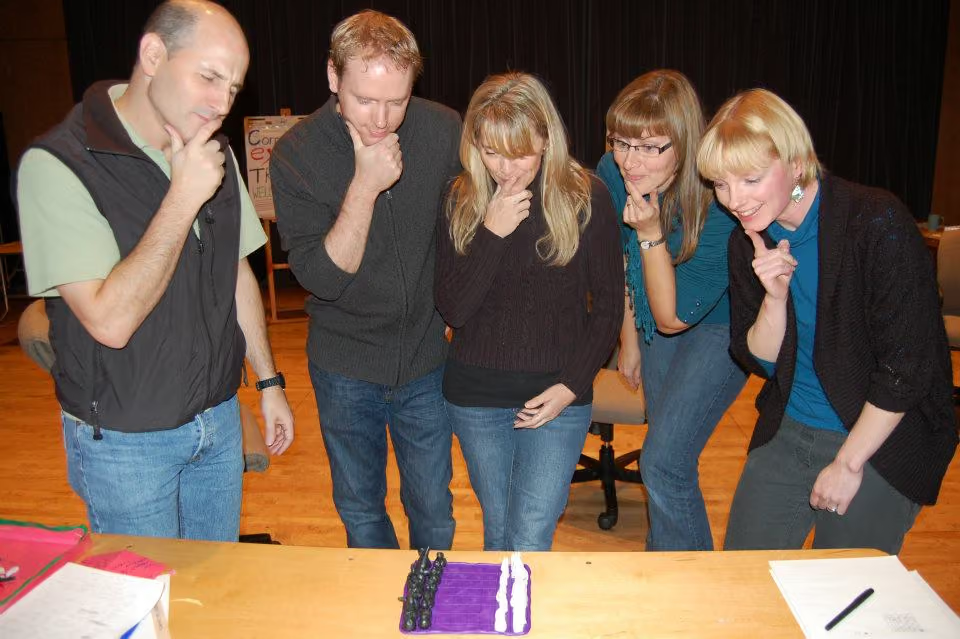
Before booking any team experience, leaders should ask what business problem needs to change, whether the format fits the group, how inclusion will be handled, who will facilitate the work, and how success will be measured after the event.
What are the biggest mistakes in team building?
The top team building mistake is booking an event without a clear objective. When this happens, the team event usually is the wrong format, forces participation, ignores psychological safety, and has weak facilitation. Also, if there’s no follow-through, it will be impossible to measure success.
Why don’t corporate retreats work?
Corporate retreats and offsites are ineffective when they avoid the real issues facing teams. They should be viewed as a temporary break from the same workplace issues. Otherwise, the same teamwork problems—siloed teams, poor cross-functional collaboration, slow handoffs, lack of ownership—will continue to show up every Monday morning.
What should companies do instead of team building?
Organizations should stop treating team building as a quick fix and start with problem diagnosis. Instead of asking, “What activity would be fun?” ask, “What must change after this?” That may mean a leadership alignment session, a communication reset, a role clarification workshop, a conflict repair process, or accountability-focused team development.
How do you fix a dysfunctional team?
Fixing a dysfunctional team starts with separating performance issues from relationship issues. A team with unclear roles needs structure. A team with unresolved conflict needs direct repair. A team with one disruptive manager needs leadership action. Treating every problem as a bonding issue is how dysfunction survives.
What actually improves team performance long term?
Team performance improves in the long term when team development becomes a regular program rather than a one-time event. Teams need repeated practice around communication, trust, decision-making, role clarity, and accountability. A single session can reveal the pattern. A structured program helps people change how they work.
That is where the right team experience has value. It gives leaders a practical setting to observe behavior, test collaboration under pressure, and connect the activity back to real work. FullTilt Team Development builds experiences around those outcomes, not just the activity itself.
When Team Building Does Work: Outcomes Not Entertainment
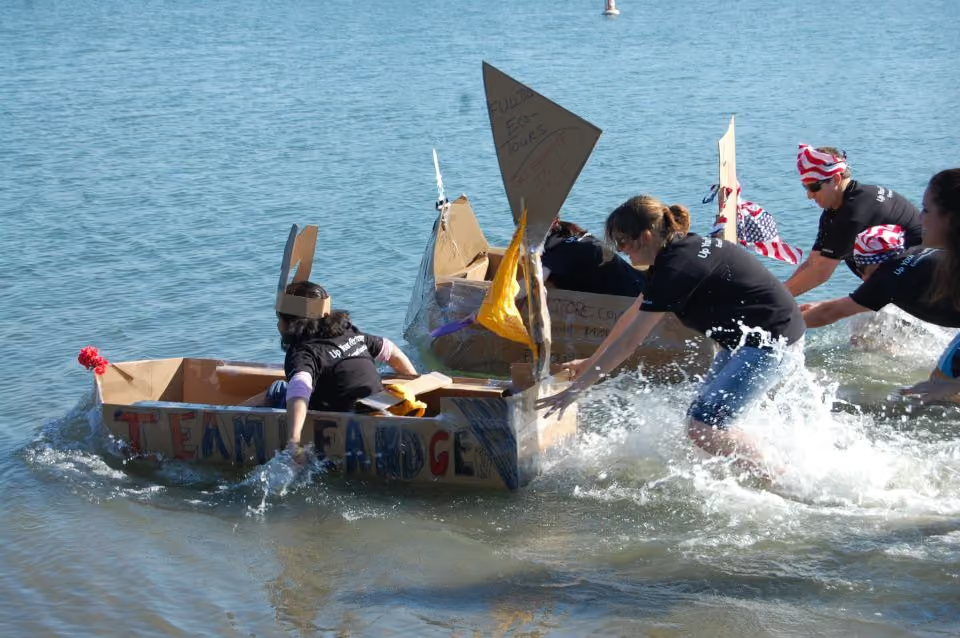
FullTilt Team Development works with HR leaders and decision makers to diagnose the business problem. Once clear outcomes are defined, the right activities are chosen. These range from leadership workshops to experiential activities designed to improve trust, strengthen communication, and help teams work together long after the event ends.
Team Building Activities that Improve Trust
Trust usually breaks down long before anyone says it out loud. Projects slow down because people double-check each other’s work. Meetings get longer because no one wants to make the final call. Departments protect information rather than share it.
What looks like a communication problem is often a trust problem.
The Cardboard Boat Build forces trust issues into the open. Teams have to design and build a seaworthy boat using only cardboard, tape, and basic materials. There is no room for silo thinking. People have to communicate clearly, make fast decisions, and rely on each other under pressure.
This team building activity works because it strengthens collaboration, problem-solving, time management, and relationship-building, as success depends on shared execution, not individual performance. If your team keeps circling the same trust issues, another meeting will not fix it. The structure has to change. The Cardboard Boat Build makes that breakdown visible and easier to correct.
Book the Cardboard Boat Build for your next corporate retreat and turn trust into action.
How Team Building Can Create Psychological Safety
Psychological safety disappears when people stop saying what they actually think. Meetings stay polite, but problems get hidden. Junior employees stay quiet. Managers avoid hard feedback. Teams start protecting themselves instead of solving problems. That’s when useful information stops moving.
FullTilt designed the 360 Degree Behavioral Matrix to help teams understand the dynamics of different personalities. Through experiential challenges and communication-style mapping, people learn how different personalities process feedback, handle conflict, and make decisions. It builds awareness of behavioral styles, emotional intelligence, and communication patterns so people stop assuming bad intent and start understanding how others work best.
Psychological safety is not about making everyone comfortable. It is about making honest communication possible. The 360 Degree Behavior Matrix gives teams the structure to do that.
Use the 360 Degree Behavior Matrix at your next corporate offsite to make communication safer and clearer.
Corporate Retreats that Support Leadership Alignment
Weak leadership rarely looks dramatic. But it’s like driving with the brakes on. A lot of team effort goes into not getting anywhere fast. This shows up as delayed decisions, mixed signals, and teams waiting for approval that never comes. Managers end up protecting their own departments, and teams lose trust and confidence in leadership.
Authentic Leadership gets leaders and potential leaders working through challenging tasks. They are forced to claim ownership, make decisions faster, and show trust in processes when outcomes are uncertain. The program helps teams identify leadership styles, work more effectively together, maintain integrity, and create leaders who can drive real momentum inside the business.
Getting leaders in the same room is easy. Getting them to lead the same way is harder. That is where the Authentic Leadership workshop helps businesses go forward.
Use the Authentic Leadership module to strengthen leadership alignment at your next team building retreat.
Team Building Activities to Fix Dysfunctional Teams
Dysfunctional teams often result from misalignment within the leadership team or communication breakdowns in larger organizations. One department assumes someone else owns the next step. Meetings end without decisions. Small frustrations turn into blame because no one owns the handoff. The result? Silos just get stronger, and everything slows down.
The Domino Effect Challenge helps teams and departments get back to cross-functional collaboration. Participants must build a giant Rube Goldberg machine in which every section depends on the one before it working properly. If one handoff fails, the whole system breaks. Participants have to communicate clearly, solve problems together, and understand how individual actions affect the wider result.
This team building challenge turns collaboration, accountability, and shared ownership into something people can actually see and identify where breakdowns start.
Book the Domino Effect Challenge for your next team building offsite to expose and fix the breakdowns that are slowing your team.
How Leaders Measure Whether Team Building Actually Worked
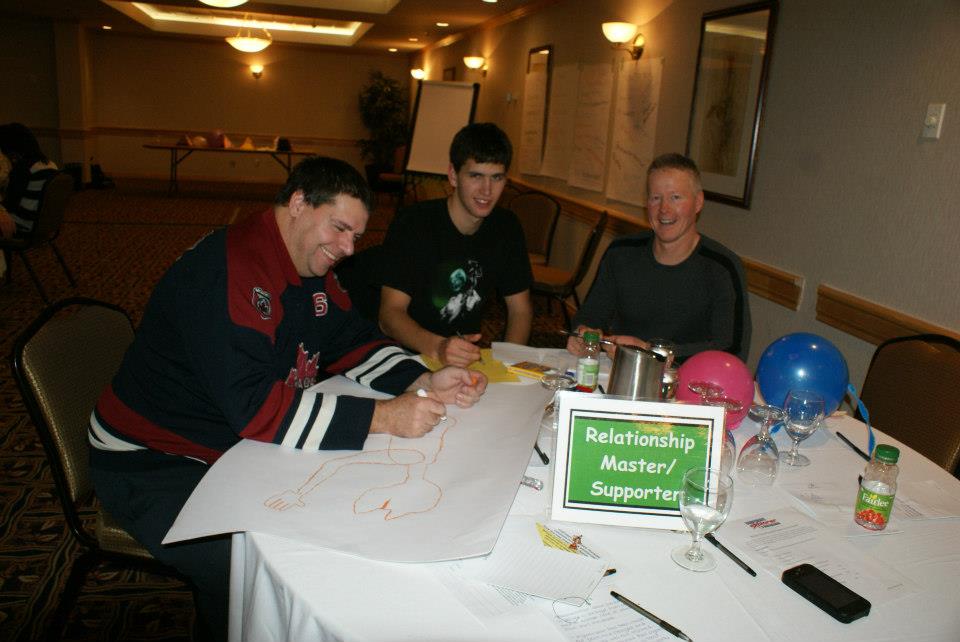
If success is measured by the number of event photos posted on LinkedIn, the bar is too low. Leaders need to know whether trust improved, decisions got faster, and collaboration became easier after the session. Good team building should change how work happens, not just how the day feels.
Pre-Event Success Metrics
Before booking anything, define what should improve. If the target is vague, the result will be too.
- Identify the business problem first: Slow decisions, poor handoffs, weak accountability, low trust, or leadership misalignment.
- Set one clear behavior goal: Faster approvals, stronger manager feedback, fewer repeated meetings, or better cross-team accountability.
- Analyze work processes: Ask department leaders where friction occurs most often and where work stalls.
- Measure the current baseline: Missed deadlines, repeated escalations, project delays, or avoidable conflicts.
- Decide on ownership: Someone should own follow-through after the event to prevent momentum from disappearing.
Post-Event Behavioral Indicators
The best proof shows up in behavior, not survey comments. Watch what changes in the weeks after.
- Meetings end with clearer ownership instead of vague next steps
- Managers address problems earlier instead of letting tension build
- Teams escalate issues faster instead of protecting silos
- Cross-functional projects move with fewer repeated approvals
- Employees speak more openly in planning, feedback, and decision discussions
- Leaders stop reopening decisions that were already made
ROI Metrics Leadership Actually Cares About
Executives rarely ask if the scavenger hunt was enjoyable. They ask whether performance improved and if the ROI was worth it.
Tangible metrics that show if team building worked or not include:
- Faster project delivery and fewer delays caused by weak accountability in teams
- Lower turnover in high-friction teams or management layers
- Reduced meeting load caused by repeated decisions and unclear approvals
- Better manager retention where leadership capability was the issue
- Higher productivity across teams that previously worked in conflict
- Stronger employee trust scores tied to leadership credibility and follow-through
Make Sure Team Building Works for Your Company
Most team building efforts fail because they are treated as events rather than as performance decisions. Generic activities won’t fix fundamental structure issues because they don’t address them head-on. So, trust stays low, decisions keep stalling, or leadership teams continue to pull in different directions.
FullTilt Team Development designs team building activities around real business outcomes—ones that will have a marked effect on how your team and departments collaborate. The goal is not just enjoying a good afternoon. It’s better performance afterward.
If your team keeps circling the same problems, click “Free Quote” because it may be time to stop booking activities and start designing solutions. FullTilt helps make that shift practical.
Frequently Asked Questions (FAQs)
Why do most team building activities fail?
Team building activities often fail when they are treated as one-time events rather than part of a long-term strategy. Without clear goals, follow-up, and alignment with real business challenges, these activities may feel disconnected and fail to create lasting impact.
What are the biggest mistakes companies make in team building?
Some of the most common mistakes include choosing activities without clear objectives, ignoring underlying team issues like poor communication or leadership gaps, treating team building as purely recreational, and failing to measure results or ROI.
Why do employees dislike team building activities?
Many employees perceive traditional team building as forced or irrelevant, especially when activities don’t align with their work or personalities. This can lead to disengagement instead of genuine connection.
Can team building fix poor team performance?
Team building alone cannot resolve deeper organizational issues such as unclear roles, ineffective leadership, or lack of accountability. These core challenges must be addressed alongside any team-building efforts.
What makes team building actually effective?
Effective team building is aligned with business goals, focuses on real collaboration challenges, encourages participation, and includes follow-up actions. It should drive measurable improvements in communication, trust, and productivity.
How do you measure ROI from team building activities?
ROI can be evaluated through improvements in team performance, communication, employee engagement, retention rates, and overall productivity. Surveys, feedback, and performance metrics are commonly used indicators.
What is the difference between team building and team development?
Team building focuses on improving relationships and morale, while team development is a continuous process aimed at enhancing team performance, structure, and long-term collaboration.
How often should companies conduct team building activities?
Instead of occasional events, team building should be integrated into regular workflows, leadership practices, and company culture to ensure consistent improvement in team dynamics.
What type of team building activities actually work for corporate teams?
Activities that mirror real-world challenges—such as problem-solving exercises, strategic games, and collaborative tasks—tend to be more effective than generic icebreakers.
How do you choose the right team building program for your company?
The right program depends on your team size, business goals, specific challenges, and desired outcomes. A tailored approach ensures better engagement and measurable results.
Are virtual team building activities effective?
Virtual team building can be effective when designed to be interactive and engaging. Passive formats often fail, while gamified and collaborative experiences tend to deliver better results.
What are signs your team building is not working?
Common signs include lack of behavioral change, ongoing communication issues, low engagement during activities, and no noticeable improvement in team performance.
What should companies do instead of traditional team building?
Companies should focus on continuous team development, leadership alignment, clear communication systems, and performance-driven collaboration strategies instead of relying solely on one-off activities.