

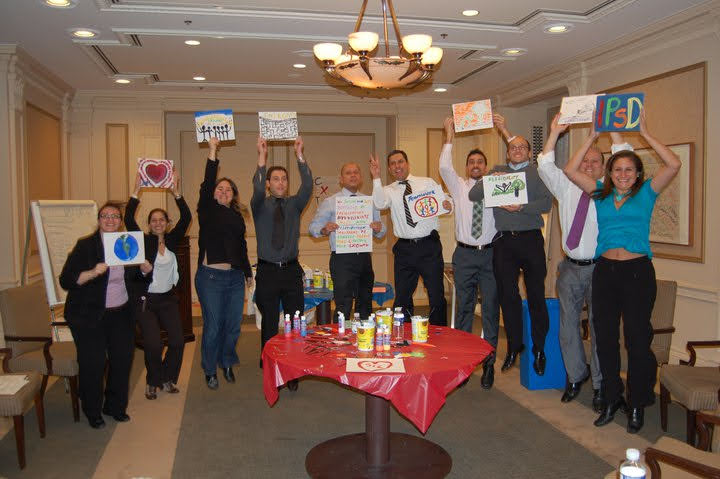
Valentine's Day at work goes wrong in predictable ways: heart-shaped decorations nobody asked for, a "secret admirer" note that makes someone uncomfortable, a quiz about partners that leaves out half the room. It goes right when the office treats 14 February as a reason to say thank you to colleagues, not as a romantic holiday. Framed as appreciation and friendship, it is one of the easiest dates in the calendar to mark well.
This guide is for the HR lead, office manager or EA who has been asked to "do something for Valentine's" and does not want a complaint by lunchtime. It sets out ground rules for inclusion, then gives low-cost ideas, a five-day kindness week, card and appreciation exchanges, a food idea, team activities and remote options. In 2027, 14 February falls on a Sunday, so most offices will mark it on Friday 12 February or run a kindness week from 8 to 12 February.
Ground rules: keep it inclusive
Before choosing any idea, agree four rules with HR. They take five minutes and prevent most problems.
Appreciation, not romance. Use words such as thanks, kindness and friendship. Avoid "love", "crush", "secret admirer" and anything that pairs people off.
Opt-in, always. Every activity needs a quiet way to take part or skip it. A sign-up form is better than a reply-all thread.
Think about who finds the day hard. Some colleagues are single and tired of being asked about it. Some are recently separated or bereaved, and 14 February is a difficult date. Nothing should ask people about partners, dates or plans for the evening.
Respect different traditions. Not everyone marks Valentine's Day, for cultural or religious reasons. Keep the activities about the team so anyone can join without marking the holiday.
If your company has a policy on relationships or gifts between colleagues, read it first and make sure nothing in the plan conflicts with it.
Low-cost Valentine's Day office ideas
Most of these cost under the price of a coffee per person. For hosted options on a tight budget, see budget-friendly team building.
- A thank-you wall. Pin a board in the kitchen with cards and pens. Colleagues leave a note thanking someone for something specific. Photograph it on Friday and share it.
- Kindness bingo. A card of small acts: hold a door, refill the coffee, introduce two colleagues, answer a question in the team channel. Anyone who completes a line enters a small prize draw.
- Candy-gram thank-yous. Sell or give out small treats with a thank-you tag, delivered by a volunteer on Friday morning. Keep the tags work-focused.
- A colour day. Invite people to wear red or pink. No prizes, no pressure, a team photo at noon.
- Desk-drop compliments. Each team member writes one sentence about what each colleague does well. The manager collects and hands them out.
- A team playlist. Everyone adds one song that makes them happy. Play it in the kitchen or share the link.
- A question of the day. Ask "Who helped you this month, and how?" or "What is a small kindness you received recently?" The questions of the day for work list has more for February, and would you rather questions for work make a light alternative.
- A recognition shout-out. Open the Friday team meeting with five minutes of specific thanks. The employee recognition ideas guide explains how to make recognition specific.
- A ten-minute lunch game. Three rounds of sixty-second challenges with paper hearts and cups. The Minute to Win It games for work guide has rules, and the quick team building activities list has more short options.
A five-day kindness week
A kindness week spreads small gestures across the week before Valentine's Day so that people who miss one day still take part. It suits offices that want more than one moment without a large budget, and it reuses the thank-you formats from Thanksgiving and gratitude team building.
Give the week a neutral name such as "Kindness Week" or "Appreciation Week" rather than "Valentine's Week". If your office has run a spirit week for work before, the same planning approach applies: one theme per day, light rules and a clear finale.
Card and appreciation exchanges
A card exchange is the most requested Valentine's activity at work and the easiest to get wrong. Run it like this:
- Open an opt-in sign-up two weeks before.
- Assign names randomly among those who signed up, by team if the office is large.
- Give one prompt: "Thank this person for something specific they did this year."
- Set a limit: a card only, or a card plus a treat under a stated amount.
- Hand out cards together on Friday, or let people deliver their own.
- Have spare cards ready for anyone whose giver is off sick.
The mechanics are close to a gift exchange; the office gift exchange ideas guide covers draw methods, spending limits and how to handle late joiners.
Galentine's Day and friendship versions
Galentine's Day, on 13 February, celebrates female friendship, and some teams like the idea. At work, an event open to one gender leaves others out. Call it a "Friends' Day" or "Pal-entine's" and invite everyone. A brunch, a craft session or a card exchange works under either name.
A food idea that includes everyone
Food is the simplest shared moment of the week. Two formats work well:
- A hot chocolate bar. Hot chocolate, a dairy-free option, toppings in labelled bowls and a decaffeinated coffee alongside. It works mid-afternoon and needs little set-up.
- A share-a-dish lunch. Colleagues bring a dish from a family tradition or a favourite recipe, with a card listing ingredients. Provide a few catered dishes so nobody feels obliged to cook.
Label every dish for common allergens and dietary needs, keep nut-free items separate, and avoid making sweets the only option. For a hosted version, FullTilt's Iron Chef cooking competition has teams of four to eight turning surprise ingredients into dishes that are taste-tested and judged, in one to three hours for 12 to 500+ people.
A team activity with a purpose
For teams that want one larger moment, a giving activity fits the spirit of the week better than a party. It puts the focus on kindness to others, involves everyone equally and produces something the team can be proud of.
The Broken Bear program is a natural fit. Inspired by kintsugi, the Japanese art of repairing broken things with gold, teams customise stuffed animals so that each has a "challenging feature" that is celebrated rather than hidden, write a backstory card for each one, and donate them to a children's charity or hospital, followed by a debrief. It runs for 12 to 500+ people in teams of four to eight, in one to three hours, and FullTilt coordinates the charity.
Two other options suit the week:
- Helping Hands: teams assemble prosthetic hands that are donated to people who have lost a limb; 12 to 500+ people, indoors, one to four hours.
- The wider charitable team building programs list, with more build-and-donate formats.
The charity and CSR team building page explains how these programs work, and the charity team building guide for HR leaders covers approval and planning. FullTilt runs them at your office or a venue through its on-site and off-site team building service; the guide to office team building covers using your own space, large group team building covers whole-company sessions, and the full team building events catalogue lists every format. Pricing: $3,000+ total event; per-person varies; confirm in your quote.
Hypothetical planning example: not a FullTilt client case, delivered program or quote. A 40-person office runs a kindness week from 8 to 12 February: a thank-you wall on Monday, kindness bingo on Tuesday, a hot chocolate bar on Wednesday and opt-in coffees on Thursday. On Friday afternoon the team spends two hours on a facilitated build-and-donate activity, then photographs the thank-you wall and the finished donations together.
Remote and hybrid Valentine's ideas
Remote colleagues should get the same week, not a lesser version.
- E-card thank-yous through the team channel, on a shared board, or by post for a personal touch.
- A voucher for a coffee or treat, sent to everyone on the same day the office has its food moment.
- Fifteen-minute opt-in video coffees between colleagues in different teams, with a few get-to-know-you questions for work to start.
- A virtual kindness bingo with a digital card and an online draw.
- A five-minute appreciation round at the start of the weekly call, with written thanks allowed for people who prefer not to speak.
For hybrid teams, schedule the main moment on a day most people are in, and send remote staff their treat in advance so everyone is eating together. The hybrid team building guide covers the wider design.
Planning timeline
- Early January: agree the ground rules with HR, choose the ideas and the budget.
- Mid-January: book any facilitated activity, venue or catering.
- Late January: open the card exchange sign-up and send the kindness week plan.
- Week of 8 February: run the kindness week.
- The following week: share photos and thank the volunteers.
Employee Appreciation Day follows in early March. If Valentine's week goes well, carry the momentum into the employee appreciation week ideas guide rather than starting from scratch. For more ways to keep the whole team included, see inclusive team building activities.
Frequently asked questions